America Fly Drive Ideas Your Epic Road Trip Awaits
America Fly Drive Ideas: Dreaming of an epic American road trip? This guide breaks down everything you need to know, from crafting the perfect itinerary to choosing the right vehicle and budgeting for unforgettable experiences. We’ll explore different travel styles, scenic routes, and practical tips to ensure your adventure is smooth, safe, and brimming with incredible memories.
Whether you crave luxury, prefer budget-friendly options, or seek thrilling adventures, we’ve got you covered. We’ll compare various vehicle types, accommodation choices, and iconic routes, helping you tailor your trip to your unique preferences. Get ready to hit the open road and discover the magic of America!
Route Planning & Itinerary Creation

Source: sillyamerica.com
Planning your American road trip itinerary is crucial for a smooth and enjoyable experience. A well-structured plan considers your travel style, budget, and desired destinations, ensuring you maximize your time and minimize stress. This section Articulates three distinct itineraries and discusses the pros and cons of pre-planned versus custom routes.
Three Sample Fly-Drive Itineraries
We’ll explore three distinct American road trip itineraries: a luxury experience, a budget-friendly adventure, and an action-packed adventure trip. These examples offer diverse options, allowing you to tailor your trip to your preferences and resources.
Luxury Itinerary: California Coastline (14 Days)
This itinerary focuses on high-end experiences. Fly into San Francisco, rent a luxury convertible, and cruise down Highway 1, stopping at luxurious hotels in Monterey, Big Sur, and Santa Barbara. Enjoy fine dining, wine tasting in Napa Valley, and perhaps a helicopter tour of Yosemite National Park. Fly out of Los Angeles.
Budget Itinerary: Southwest Road Trip (10 Days)
This itinerary prioritizes affordability and natural beauty. Fly into Las Vegas, rent a fuel-efficient car, and explore national parks like Zion, Bryce Canyon, and the Grand Canyon. Stay in budget-friendly motels or campgrounds, and pack your lunches to save money. Fly out of Las Vegas.
Adventure Itinerary: National Parks Extravaganza (21 Days)
This itinerary is for the adventurous traveler. Fly into Denver, rent a rugged SUV, and explore iconic national parks like Yellowstone, Grand Teton, and Glacier. Engage in hiking, white-water rafting, and wildlife viewing. Camp under the stars and embrace the rugged beauty of the American West. Fly out of Seattle.
Cost Comparison Table
The following table provides estimated costs for each itinerary. Note that these are estimates and can vary depending on the time of year, specific choices, and unforeseen circumstances. Fuel costs are based on average fuel prices and estimated mileage. Accommodation costs vary greatly based on your chosen level of comfort and location. Activity costs encompass entrance fees, tours, and other optional activities.
| Itinerary | Fuel Cost (USD) | Accommodation Cost (USD) | Activity Cost (USD) |
|---|---|---|---|
| California Coastline (Luxury) | 500 | 5000 | 2000 |
| Southwest Road Trip (Budget) | 300 | 1000 | 500 |
| National Parks Extravaganza (Adventure) | 700 | 1500 | 1000 |
Pre-planned vs. Custom Itineraries
Choosing between a pre-planned itinerary and a custom route depends on your personality and travel style.
Pre-Planned Itineraries: Pros – Pre-planned itineraries offer structure and convenience. They often include bookings for accommodation and activities, saving you time and effort. They can also provide a framework for exploring lesser-known destinations.
Pre-Planned Itineraries: Cons – Pre-planned itineraries may lack flexibility. They may not perfectly align with your interests or preferences, and changes can be costly or difficult to make. They can also feel restrictive, limiting spontaneity.
Custom Itineraries: Pros – Custom itineraries offer complete flexibility and control. You can tailor your route to your specific interests, budget, and travel style. They allow for spontaneity and the opportunity to discover hidden gems.
Custom Itineraries: Cons – Custom itineraries require more planning and research. You’ll need to handle all bookings and logistics yourself, which can be time-consuming. They also carry a higher risk of encountering unexpected delays or issues.
Choosing Your Vehicle

Source: massdrive.com
Choosing the right vehicle is crucial for a successful American road trip. The vast distances, varied terrains, and your travel style all play a significant role in determining the best option. Let’s explore some popular choices and their suitability.
The type of vehicle you select will heavily influence your comfort, fuel costs, and overall trip experience. Consider the number of passengers, the amount of luggage you’ll be carrying, and the types of roads you plan to traverse.
Vehicle Type Comparison
Several vehicle types cater to different road trip needs. Below is a comparison of some popular choices, highlighting their advantages and disadvantages.
| Vehicle Type | Advantages | Disadvantages |
|---|---|---|
| SUV (Sport Utility Vehicle) | Spacious, good ground clearance for varied terrains, relatively comfortable for long drives, often offers all-wheel or four-wheel drive for better handling in adverse conditions. | Lower fuel efficiency compared to smaller cars, can be expensive to rent or purchase, larger size can make parking in cities challenging. |
| Convertible | Enjoyable driving experience, scenic views, and fun factor for a road trip. | Limited luggage space, less protection from the elements (sun, rain, cold), can be expensive to rent or purchase, and not suitable for all weather conditions. |
| Campervan | Offers accommodation and cooking facilities, eliminating hotel costs, allows for flexibility in choosing campsites or scenic spots to spend the night. | Can be expensive to rent, fuel consumption is high, maneuverability can be challenging in cities or tight spaces, limited storage space compared to other options. |
Essential Packing Checklist
Proper packing is vital for a smooth and enjoyable journey. This checklist covers essential items for safety and comfort.
- Emergency kit: First-aid supplies, jumper cables, flashlight, basic tools.
- Navigation system: GPS device or downloaded maps – ensure your phone has sufficient data or a reliable offline map.
- Roadside assistance information: Contact details for your rental company or insurance provider.
- Driving documents: Driver’s license, vehicle registration, insurance details.
- Personal items: Medications, toiletries, comfortable clothing.
- Entertainment: Books, music, podcasts, games (for long drives).
- Snacks and water: To avoid unnecessary stops and maintain energy levels.
Fuel Efficiency and Trip Cost, America fly drive ideas
Vehicle choice significantly impacts fuel consumption and overall trip expenses. Larger vehicles like SUVs and campervans generally have lower fuel efficiency than smaller cars or convertibles. This translates to higher fuel costs throughout the journey. For example, an SUV might average 15-20 miles per gallon, while a compact car could achieve 30-35 mpg. This difference can amount to a substantial cost increase, especially on long road trips across the US.
Rental costs also vary widely depending on the vehicle type and rental duration. Campervans, for instance, tend to be more expensive to rent than standard cars. It’s crucial to factor in all costs – rental fees, fuel, tolls, and potential maintenance – to create a realistic budget before embarking on your road trip.
Accommodation Options

Source: rd.com
Choosing the right accommodation is crucial for a comfortable and enjoyable American road trip. Your lodging choices will significantly impact your budget and overall experience, ranging from budget-friendly options to luxurious escapes. Consider factors like location, amenities, and your personal preferences when making your decisions. This section will explore various accommodation options and help you plan your lodging budget.
Diverse Accommodation Types and Pricing
A wide range of accommodation options caters to various budgets and preferences along popular American fly-drive routes. Hotels and motels offer varying levels of comfort and amenities, typically ranging from basic rooms to suites with extra features. Budget motels can cost as little as $50-$80 per night, while upscale hotels might reach $200-$500 or more. Airbnb provides a more diverse selection, including apartments, houses, and unique stays, with prices fluctuating based on location, size, and amenities. Expect to pay anywhere from $75 to $300+ per night for Airbnb rentals. Camping is the most budget-friendly option, with campsites averaging $20-$40 per night, offering a close-to-nature experience. However, you’ll need your camping gear.
Unique and Memorable Accommodation Experiences
Beyond standard hotels and motels, many unique and memorable accommodation experiences enhance your road trip. Consider staying in a historic Route 66 motel, capturing the nostalgic charm of classic Americana. These motels often retain their original character and offer a glimpse into the past, typically ranging from $80 to $150 per night. Alternatively, opt for a stay in a quirky-themed motel, like one designed around dinosaurs or Hollywood glamour. Prices vary depending on the theme and location. For a luxurious experience, explore boutique hotels located in charming towns or scenic areas. These typically offer high-end amenities and personalized service, with prices starting from $200 per night and going much higher. Finally, consider glamping (glamorous camping), which combines the outdoors with luxurious amenities, offering a unique blend of nature and comfort at a price point between camping and hotels.
Sample Accommodation Budget for a 14-Day Road Trip
This budget example assumes a 14-day road trip, incorporating a mix of accommodation types to balance cost and experience.
| Accommodation Type | Nights | Average Nightly Cost | Total Cost |
|---|---|---|---|
| Budget Motel | 4 | $70 | $280 |
| Mid-Range Hotel | 5 | $150 | $750 |
| Airbnb | 3 | $120 | $360 |
| Camping | 2 | $30 | $60 |
| Unique Stay (e.g., Historic Motel) | 0 | $100 | $0 (Optional – can replace one night of other types) |
| Total | 14 | $1450 |
Note: This is a sample budget, and actual costs may vary significantly depending on your chosen route, travel dates, and specific accommodation selections. Flexibility in your budget is recommended.
Scenic Routes & Points of Interest

Source: beachcandyswimwear.com
Planning a fly drive across America offers unparalleled opportunities to witness breathtaking landscapes and experience diverse cultures. Choosing the right route is key to maximizing your adventure, and careful consideration of scenic routes and points of interest will make your trip truly memorable. This section will detail three iconic routes, highlighting key attractions and offering suggestions for visit durations.
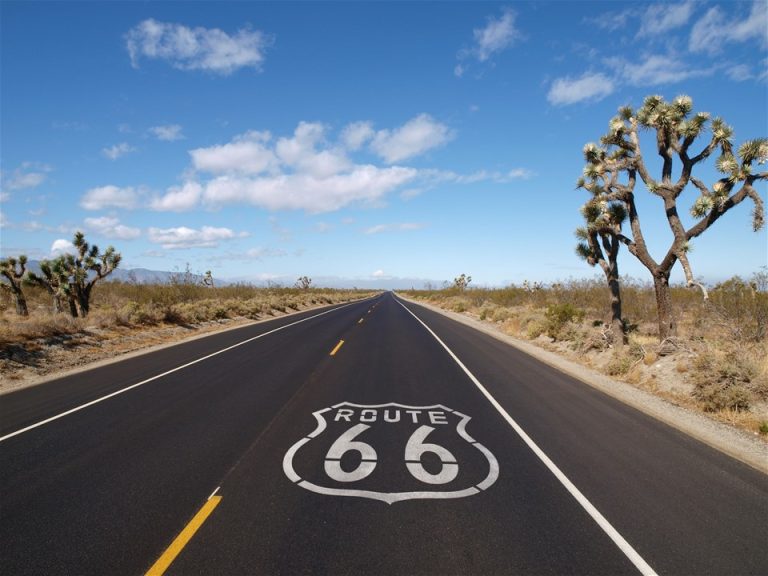
Route 66: A Classic American Road Trip
Route 66, also known as the “Mother Road,” is a legendary highway stretching over 2,400 miles from Chicago, Illinois, to Los Angeles, California. This iconic route offers a nostalgic journey through America, showcasing the country’s history and diverse landscapes.
The journey encompasses a blend of bustling cities and charming small towns, offering a rich tapestry of cultural experiences. You’ll encounter classic diners, roadside attractions, and historical landmarks that evoke a sense of simpler times. The natural beauty varies significantly along the route, from the flatlands of the Midwest to the dramatic deserts of the Southwest.
- Chicago, IL: Start your journey in the Windy City, exploring its iconic architecture and vibrant cultural scene. (2 days)
- St. Louis, MO: Visit the Gateway Arch National Park, a monument dedicated to westward expansion. (1 day)
- Oklahoma City, OK: Explore the Oklahoma City National Memorial & Museum, a poignant reminder of a tragic event. (1 day)
- Santa Fe, NM: Immerse yourself in the rich history and culture of this charming Southwestern city. (2 days)
- Grand Canyon National Park, AZ: Witness the awe-inspiring grandeur of one of the world’s natural wonders. (2 days)
- Los Angeles, CA: End your journey in the City of Angels, experiencing its diverse attractions and vibrant entertainment industry. (3 days)
Pacific Coast Highway (Highway 1): Coastal Majesty
The Pacific Coast Highway, a breathtaking coastal route running along California’s Pacific Ocean, offers stunning views and a laid-back atmosphere. This scenic drive showcases dramatic cliffs, sandy beaches, and charming coastal towns. The diverse ecosystem includes redwood forests, rocky coastlines, and vibrant marine life.
This route is perfect for those seeking a blend of natural beauty and relaxed exploration. The charming towns offer opportunities to sample fresh seafood, explore local art galleries, and soak in the laid-back California lifestyle. Be prepared for winding roads and potential traffic congestion in some areas.
- San Francisco, CA: Begin your journey in the iconic city by the bay, exploring its landmarks and diverse neighborhoods. (3 days)
- Big Sur, CA: Drive through the dramatic Big Sur coastline, stopping at scenic overlooks and hiking trails. (2 days)
- Monterey & Carmel, CA: Explore the charming towns of Monterey and Carmel-by-the-Sea, known for their art galleries, restaurants, and beautiful beaches. (2 days)
- Hearst Castle, CA: Tour the opulent Hearst Castle, a historical landmark showcasing architectural grandeur. (1 day)
- San Simeon, CA: Relax on the beach and enjoy the coastal scenery of this charming town. (1 day)
- Los Angeles, CA: Conclude your journey in Los Angeles, enjoying its diverse attractions. (3 days)
Blue Ridge Parkway: Appalachian Beauty
The Blue Ridge Parkway, a scenic roadway winding through the Appalachian Mountains, offers a tranquil escape into nature. This route showcases stunning mountain vistas, lush forests, and charming small towns. The cultural experiences are centered around Appalachian heritage, including folk music, crafts, and historical sites.
This drive provides opportunities for hiking, wildlife viewing, and enjoying the tranquility of the mountains. The route is less congested than the Pacific Coast Highway and Route 66, offering a more peaceful and secluded experience. Be prepared for varying weather conditions, especially at higher elevations.
- Shenandoah National Park, VA: Explore the scenic overlooks and hiking trails of Shenandoah National Park. (2 days)
- Mabry Mill, VA: Visit this historic grist mill, a testament to Appalachian heritage. (1 day)
- Mount Mitchell State Park, NC: Stand atop the highest peak east of the Mississippi River. (1 day)
- Asheville, NC: Explore the vibrant arts scene and breweries of Asheville. (2 days)
- Great Smoky Mountains National Park, NC/TN: Hike through the stunning landscapes of the Great Smoky Mountains. (3 days)
Practical Considerations & Safety

Source: h-cdn.co
Planning a road trip across America is exciting, but ensuring a smooth and safe journey requires careful preparation. This section covers essential documents, strategies for handling common issues, and the importance of travel insurance. Overlooking these practical aspects could significantly impact your trip.
Essential Documents and Permits
Before you even think about hitting the open road, gather all the necessary documents. Having these readily available will save you significant stress and potential delays. Failing to have the correct documentation could lead to fines or even prevent you from entering certain areas.
- Driver’s License: Ensure your driver’s license is valid and up-to-date. Some states require specific endorsements for driving larger vehicles like RVs.
- Vehicle Registration: You’ll need proof of vehicle ownership and registration, especially if you’re renting a car.
- Insurance Documents: Carry your car insurance information, including policy number and contact details.
- Passport (for international travelers): If you’re an international visitor, your passport is crucial for entry and exit from the country.
- International Driving Permit (for international travelers): An IDP is recommended for international drivers, even if your driver’s license is written in English. It provides an official translation.
Strategies for Handling Potential Issues
Road trips, while fun, can present unexpected challenges. Being prepared for potential problems minimizes disruption and keeps you safe.
Car Breakdowns: A breakdown is a possibility. Consider purchasing roadside assistance, which provides towing, repairs, and other services. Keep emergency contact numbers readily accessible.
Traffic Delays: Traffic congestion, especially in urban areas, is inevitable. Use GPS navigation to identify alternative routes and plan for extra travel time, especially during peak hours. Consider using real-time traffic apps to monitor conditions.
Unexpected Weather Conditions: America’s diverse geography means weather can change rapidly. Check weather forecasts regularly and pack appropriate clothing and supplies. Be aware of weather alerts and adjust your itinerary as needed. For example, a sudden blizzard in the mountains could necessitate a detour or overnight stop.
Travel Insurance
Travel insurance provides financial protection against unforeseen circumstances. While not mandatory, it’s highly recommended. A comprehensive policy can cover medical emergencies, trip cancellations, lost luggage, and even car damage.
Consider policies that offer:
- Medical coverage: Medical expenses in the US can be very high, so adequate medical coverage is crucial.
- Emergency evacuation: This covers the cost of transporting you to a suitable medical facility in case of a serious illness or injury.
- Trip cancellation or interruption coverage: This can reimburse you for prepaid expenses if you need to cancel your trip due to an unexpected event.
- Rental car insurance: Check if your existing policy covers rental vehicles; otherwise, consider adding this to your travel insurance.
Budgeting and Cost Management: America Fly Drive Ideas

Source: azureedge.net
Planning a fly-drive trip across America can be an incredible adventure, but it’s crucial to manage your budget effectively to ensure a stress-free and enjoyable experience. A well-structured budget will help you stay on track and avoid unexpected financial surprises. This section will guide you through creating a realistic budget and offer tips for saving money along the way.
Creating a realistic budget involves carefully estimating the costs associated with each aspect of your trip. Start by determining the total duration of your trip and the number of travelers. This will influence many cost factors. Then, break down your expenses into key categories: flights, car rental, fuel, accommodation, food, and activities. Allocate a reasonable amount to each category, keeping in mind potential variations in pricing depending on your travel dates and preferences.
Flight Costs
Flights represent a significant portion of your overall budget. Prices fluctuate based on the time of year, so booking in advance is often key to securing better deals. Consider using flight comparison websites to find the best fares and be flexible with your travel dates if possible. For example, flying mid-week or during the off-season can often result in substantial savings. Budget airlines may offer lower fares, but carefully review baggage fees and other potential add-on costs. A round-trip flight from New York to Los Angeles booked several months in advance, could range from $300 to $800 per person, depending on the airline and time of year.
Car Rental Costs
Car rental costs depend on the type of vehicle, rental duration, and insurance options. Compare prices from different rental companies and consider factors like fuel efficiency and size. Booking your car rental in advance, particularly during peak season, is advisable to secure better rates and availability. A mid-size sedan rented for a two-week trip across California might cost between $500 and $1000, excluding insurance and additional fees. Remember to factor in potential additional charges like drop-off fees if you plan to return the car to a different location.
Fuel Costs
Fuel costs are variable and depend on the distance traveled, fuel prices at the time of your trip, and the fuel efficiency of your rental car. Consider using a fuel consumption calculator to estimate your fuel expenses based on your planned route and vehicle’s MPG. Plan your route to minimize unnecessary driving and take advantage of fuel discounts whenever possible. For a 2,000-mile road trip, fuel costs could range from $200 to $400, depending on gas prices and vehicle efficiency.
Accommodation Costs
Accommodation costs can vary widely depending on your preferences and travel style. Options range from budget-friendly hostels and motels to luxury hotels and resorts. Consider booking accommodations in advance, especially during peak season, to secure better rates and availability. Websites like Booking.com or Expedia can help you compare prices and find deals. A two-week trip might range from $1000 to $4000 depending on your choice of lodging.
Food Costs
Food costs depend on your eating habits and preferences. Eating out frequently will significantly increase your expenses compared to self-catering. Consider a mix of restaurant meals and grocery shopping to manage your food budget effectively. Packing snacks and drinks can help reduce impulsive spending on the road. A realistic food budget for a two-week trip could range from $500 to $1500, depending on your dining choices.
Activity Costs
Activity costs depend on your interests and the activities you choose to partake in. These could include national park entrance fees, amusement park tickets, guided tours, and other attractions. Research the costs of various activities in advance and factor them into your budget. For a two-week trip, activity costs could range from $300 to $1500 or more, depending on your choices.
Saving Money on Your Fly-Drive Trip
To save money, consider traveling during the off-season, booking flights and accommodations in advance, opting for budget-friendly accommodation options, and preparing some of your meals yourself. Look for discounts and deals on activities and attractions, and consider using public transport where possible to reduce fuel costs. Compare prices from multiple sources and be flexible with your plans to find the best deals.
Comparing Costs of Different Fly-Drive Options
The cost of a fly-drive trip can vary significantly based on factors like trip length, travel style, and the time of year. A shorter trip with budget-friendly accommodations and limited activities will naturally cost less than a longer trip with luxury accommodations and numerous activities. For example, a week-long trip focusing on national parks in the Southwest might cost significantly less than a three-week cross-country adventure with multiple stops in major cities. Careful planning and budgeting are key to ensuring a memorable and financially responsible fly-drive experience.
Visual Storytelling

Source: rd.com
A road trip across America isn’t just about getting from point A to point B; it’s about immersing yourself in the breathtaking landscapes and capturing the essence of this vast and diverse nation. This section will explore three iconic American landscapes, painting a picture of their visual appeal and the emotions they evoke, and then crafting a visual narrative of a quintessential American road trip.
Iconic American Landscapes
These three locations offer vastly different visual experiences, each contributing to the rich tapestry of American scenery. Understanding their unique characteristics will help you plan your trip and appreciate the diversity of the country’s natural beauty.
Grand Canyon National Park, Arizona
Imagine standing on the South Rim of the Grand Canyon, gazing down into a chasm carved over millions of years. The sheer scale is overwhelming – layers of red, orange, and brown rock stretching as far as the eye can see, a breathtaking panorama of geological history. The vastness evokes a sense of awe and humility, a reminder of the power of nature and the passage of time. The intense sunlight casts dramatic shadows, highlighting the intricate textures of the canyon walls. The best time to visit is spring or fall, for pleasant temperatures and fewer crowds. Activities include hiking various trails (from easy strolls to challenging backcountry adventures), mule rides down into the canyon, and simply enjoying the panoramic views from the rim. The sunset, painting the canyon walls in fiery hues, is a truly unforgettable experience.
Yellowstone National Park, Wyoming, Montana, and Idaho
Yellowstone offers a completely different visual experience. Here, the landscape is defined by geothermal activity – bubbling mud pots, steaming geysers, and vibrant hot springs. The colors are intense and otherworldly: the brilliant turquoise of the Grand Prismatic Spring, and the ochre and orange hues of the Mammoth Hot Springs terraces. The air is filled with the scent of sulfur and the sounds of gurgling water. This landscape evokes a sense of wonder and otherworldly beauty, a feeling of being on another planet. Summer is the best time to visit when all the trails are open and the geysers are at their most active. Activities include wildlife viewing (bison, elk, wolves, and bears), hiking amidst the geothermal features, and exploring the park’s stunning waterfalls.
Acadia National Park, Maine
In stark contrast to the arid landscapes of the West, Acadia offers the rugged beauty of the Atlantic coast. Granite peaks rise dramatically from the sea, their rocky faces sculpted by wind and waves. The coastline is a mix of dramatic cliffs, sandy beaches, and rocky inlets. The forests are lush and green, providing a calming contrast to the wildness of the ocean. The visual experience is one of power and tranquility, a blend of raw nature and serene beauty. Summer and fall offer the best weather for hiking and exploring the park’s many trails. Activities include hiking to Cadillac Mountain (the highest point on the U.S. Atlantic coast), exploring the rocky shores, and enjoying breathtaking ocean views. The vibrant colors of fall foliage make autumn a particularly spectacular time to visit.
A Quintessential American Road Trip: A Visual Narrative
Imagine starting your journey in the bustling city of New York, the skyscrapers piercing the sky, a stark contrast to the open road ahead. As you head west, the cityscape gives way to the rolling green hills of Pennsylvania, the air filled with the scent of freshly cut hay. Further west, the landscape transforms into the vast, flat plains of the Midwest, punctuated by wind turbines spinning lazily against the horizon. The sounds of crickets at night replace the city’s cacophony. The vastness of the landscape evokes a sense of freedom and possibility. Passing through the Badlands of South Dakota, the dramatic, eroded buttes and canyons create a moonscape-like atmosphere, a stark contrast to the lush landscapes previously encountered. Finally, arriving in the majestic Rocky Mountains, the towering peaks and snow-capped summits create a sense of awe and wonder, the air crisp and clean. The journey is a visual feast, a kaleidoscope of landscapes, sounds, and cultural experiences that embody the essence of an American road trip.
Outcome Summary

Source: cdn-hotels.com
Planning your American fly-drive adventure shouldn’t be daunting. With careful planning and the right resources, you can create a truly unforgettable road trip. Remember to consider your travel style, budget, and desired experiences when choosing your route, vehicle, and accommodation. Embrace the freedom of the open road, savor the stunning landscapes, and create memories that will last a lifetime. So, pack your bags, choose your route, and get ready for the adventure of a lifetime!