
Compare Travel Insurance Plans Smartly
Compare travel insurance plans before your next adventure! Choosing the right plan can save you from hefty unexpected costs. This guide breaks down the different types of plans, factors influencing price, and crucial coverage details to help you make an informed decision. We’ll explore everything from single-trip versus annual plans to understanding deductibles and common exclusions.
Navigating the world of travel insurance can feel overwhelming, but it doesn’t have to be. By understanding the key differences between basic, standard, and premium plans, and by considering factors like your destination, trip length, and pre-existing conditions, you can find the perfect coverage to match your travel style and budget. This guide will empower you to compare apples to apples and select a plan that provides the peace of mind you deserve.
Types of Travel Insurance Plans
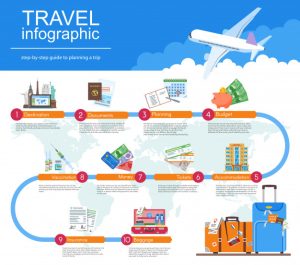
Choosing the right travel insurance plan can feel overwhelming, but understanding the different types available makes the process much simpler. This section will break down the key distinctions between various plans, helping you select the best coverage for your specific travel needs and budget. We’ll explore single-trip versus annual multi-trip policies, and delve into the differences between basic, standard, and premium coverage levels.
Single-Trip vs. Annual Multi-Trip Plans
Travel insurance plans are broadly categorized into single-trip and annual multi-trip options. The best choice depends heavily on your travel frequency and the length of your trips.
| Feature | Single-Trip Plan | Annual Multi-Trip Plan | Suitability |
|---|---|---|---|
| Coverage Period | Covers a single trip, specified duration | Covers multiple trips within a year, each trip up to a specified duration | Single, short trips |
| Cost | Generally lower cost per trip, if you only travel once or twice a year. | Higher upfront cost, but potentially cheaper if you travel frequently. | Frequent travelers |
| Coverage | Comprehensive coverage for the specific trip. | Comprehensive coverage for each trip within the policy year, subject to limitations. | Frequent travelers, or those with many short trips |
| Renewal | No renewal; a new policy is needed for each trip. | Renewable annually. | Travelers who travel frequently. |
Basic, Standard, and Premium Plan Coverage Differences
The level of coverage offered varies significantly between basic, standard, and premium plans. Understanding these differences is crucial for choosing a policy that adequately protects you.
Here’s a breakdown of the typical coverage differences:
- Basic Plans: Usually offer minimal coverage, primarily focusing on essential medical emergencies and trip cancellations due to specific, limited reasons (like severe weather). Lost luggage coverage might be very limited or non-existent. Emergency assistance services are often basic.
- Standard Plans: Provide more comprehensive coverage than basic plans. They typically include broader medical expense coverage, more extensive trip cancellation reasons, better-lost luggage coverage, and enhanced emergency assistance services (like 24/7 helpline access).
- Premium Plans: Offer the most extensive coverage, including higher medical expense limits, broader trip cancellation reasons (potentially including things like job loss or family emergencies), extensive lost luggage coverage, and comprehensive emergency assistance services. They may also include additional benefits like coverage for pre-existing conditions (with appropriate waivers), concierge services, and higher coverage for adventure activities.
Benefits Included in Each Plan Type
Each plan type typically includes a range of benefits designed to cover various travel-related mishaps.
Specific benefits can vary greatly between providers and plans, but here are some common examples:
- Medical Expenses: Covers medical costs incurred during your trip, including doctor visits, hospital stays, and emergency medical evacuations. Coverage limits vary significantly across plan types.
- Trip Cancellations: Reimburses non-refundable trip costs if your trip is cancelled due to covered reasons, such as illness, injury, or severe weather. The specific covered reasons are clearly defined in the policy documents.
- Lost Luggage: Covers the cost of replacing lost or damaged luggage. Coverage limits and the definition of “lost” are Artikeld in the policy.
- Emergency Assistance: Provides access to 24/7 assistance services, including medical referrals, emergency evacuation arrangements, and assistance with lost documents.
Factors Affecting Plan Costs
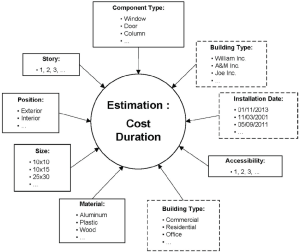
Choosing travel insurance can feel like navigating a maze, especially when you’re trying to understand the price. Several factors work together to determine how much you’ll pay for your policy. Understanding these factors can help you make informed decisions and find a plan that fits your budget and needs.
Key Factors Influencing Travel Insurance Prices, Compare Travel Insurance Plans
The cost of your travel insurance isn’t arbitrary; it’s calculated based on several factors that assess your risk. These factors help insurance companies determine the likelihood of needing to pay out a claim.
| Factor | Impact on Cost | Example | Explanation |
|---|---|---|---|
| Age | Generally increases with age | A 65-year-old might pay more than a 30-year-old. | Older travelers statistically have a higher risk of medical emergencies. |
| Destination | Varies based on location risk | Traveling to a remote area with limited medical facilities will likely cost more than a trip to a major European city. | High-risk destinations, those with political instability or higher crime rates, or those with less developed healthcare systems, command higher premiums. |
| Trip Length | Increases with trip duration | A two-week trip will cost more than a weekend getaway. | Longer trips increase the chance of incidents occurring. |
| Pre-existing Conditions | Can significantly increase costs or lead to exclusion | Someone with a heart condition might pay a higher premium or face limitations on coverage for related issues. | Pre-existing conditions increase the likelihood of needing medical attention, impacting the insurer’s risk. Some conditions might even lead to specific exclusions within the policy. |
| Activity Level | Higher-risk activities increase the cost. | Scuba diving or skiing will typically increase the cost compared to a relaxing beach vacation. | Adventure travel inherently carries a higher risk of accidents and injuries. |
Coverage Level and Premium
The level of coverage you choose directly impacts the premium. A comprehensive plan offering extensive medical coverage, trip cancellation protection, and baggage loss reimbursement will naturally be more expensive than a basic plan that only covers essential medical emergencies. For instance, a basic plan might cost $50 for a week-long trip, while a comprehensive plan for the same trip could cost $150 or more. The difference reflects the broader range of risks covered by the comprehensive policy.
Deductibles and Co-pays
Deductibles and co-pays are crucial elements influencing your out-of-pocket expenses. A deductible is the amount you pay before your insurance coverage kicks in. A co-pay is a fixed amount you pay for a specific service (like a doctor’s visit). Higher deductibles generally lead to lower premiums, but you’ll pay more upfront if you need to make a claim. Conversely, lower deductibles mean higher premiums but less out-of-pocket expense if you need to file a claim. For example, a plan with a $500 deductible might cost less than a plan with a $100 deductible, but you’ll need to pay the first $500 of any claim yourself. Understanding how these work is key to finding a plan that balances cost and out-of-pocket responsibility.
Coverage Details and Exclusions: Compare Travel Insurance Plans
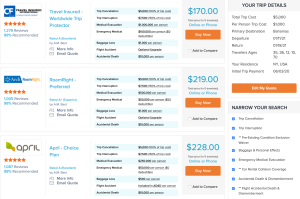
Choosing a travel insurance plan involves carefully examining what’s covered and, just as importantly, what’s excluded. Understanding these details is crucial to ensuring you have adequate protection during your trip. This section will break down key coverage areas and common exclusions to help you make an informed decision.
Medical Emergency Coverage
Medical emergencies abroad can be incredibly expensive. Travel insurance plans typically offer coverage for hospitalization, medical evacuation, and repatriation. However, the extent of this coverage varies significantly between plans. Some plans offer a fixed amount of coverage, while others offer coverage up to a certain percentage of your total trip costs. For example, one plan might cover up to $1 million for medical expenses, while another might only cover $50,000. Similarly, medical evacuation and repatriation coverage can also vary widely. Medical evacuation refers to transporting you to a suitable medical facility, potentially involving air ambulances, while repatriation refers to returning your body to your home country in case of death. Always check the specific limits and conditions for these services within the policy document.
Trip Cancellation and Interruption Coverage
Trip cancellation and interruption coverage protects you against financial losses if your trip is disrupted before or during your travels. Cancellation coverage usually reimburses pre-paid, non-refundable expenses if you need to cancel your trip due to covered reasons, such as a serious illness or injury, a natural disaster at your destination, or a family emergency. Interruption coverage covers expenses incurred if you must cut your trip short due to similar unforeseen circumstances. However, it’s vital to note that many policies exclude cancellations due to things like changes of mind, fear of travel, or pre-existing conditions (unless specifically covered with an add-on). For example, a sudden illness requiring hospitalization might be covered, but a planned elective surgery before your trip usually would not be.
Common Exclusions in Travel Insurance Plans
It’s essential to understand what your travel insurance *doesn’t* cover. Common exclusions can significantly impact your protection. Here are some examples:
- Pre-existing medical conditions: Many plans exclude coverage for medical issues that existed before your policy’s effective date. Some plans offer optional add-ons to cover specific pre-existing conditions, but these usually come at an extra cost and may have limitations.
- Adventure sports and extreme activities: Activities considered high-risk, such as bungee jumping, scuba diving, or mountaineering, are often excluded from standard plans. Specific coverage for these activities might be available as an add-on, but again, at an increased premium.
- Acts of war or terrorism: Travel insurance generally doesn’t cover losses directly resulting from acts of war, terrorism, or civil unrest. This is a standard exclusion across most plans.
- Self-inflicted injuries: Injuries intentionally caused by the insured individual are usually excluded from coverage.
- Intoxication or illegal activities: Claims resulting from actions undertaken while under the influence of alcohol or drugs, or those involving illegal activities, are typically not covered.
Choosing the Right Plan

Selecting the right travel insurance plan can feel overwhelming with so many options available. The key is to carefully consider your individual needs and travel style, matching them to the specific coverage offered by different plans. This involves understanding your risk tolerance and prioritizing the aspects of travel that are most important to you. A little planning upfront can save you significant stress and potentially a lot of money down the line.
A Decision-Making Flowchart for Travel Insurance
This flowchart helps you navigate the selection process. Start at the top and follow the arrows based on your answers.
                                    Start
                                        |
                                        V
Are you traveling domestically or internationally?
        /                         \
       /                           \
Domestic                     International
       |                           |
       V                           V
What is the duration of your trip?  What is the duration of your trip?
       /                         \
      /                           \
Short (under 7 days)          Long (7+ days)
       |                           |
       V                           V
What is your primary concern?       What is your primary concern?
       /                         \
      /                           \
Basic Coverage (Trip Cancellation)  Comprehensive Coverage (Medical, etc.)
       |                           |
       V                           V
Choose a basic plan.              Choose a comprehensive plan.
                                        |
                                        V
Compare plans with similar coverage levels, focusing on price and specific benefits.
                                        |
                                        V
Select the best plan.
                                        |
                                        V
End
Comparing Travel Insurance Plans Side-by-Side
Before comparing, identify your priorities. Do you need extensive medical coverage, trip cancellation protection, or baggage loss insurance? Once you know your priorities, you can use a table to compare plans effectively.
For example, consider three hypothetical plans: “Basic Traveler,” “Explorer Plus,” and “Global Guardian.”
| Feature | Basic Traveler | Explorer Plus | Global Guardian |
|---|---|---|---|
| Trip Cancellation Coverage | $1,000 | $5,000 | $10,000 |
| Medical Expense Coverage | $5,000 | $10,000 | $50,000 |
| Baggage Loss Coverage | $500 | $1,000 | $2,000 |
| Emergency Medical Evacuation | Not Included | Included | Included |
| Price | $50 | $100 | $200 |
This table allows for a quick visual comparison of key features and their respective costs. Remember that the actual coverage amounts and prices will vary greatly depending on the provider and the specifics of your trip.
Understanding Policy Wording
Policy wording can be dense and complex. Take your time reading it carefully. Pay close attention to:
- Definitions: The policy will define key terms like “trip cancellation,” “pre-existing condition,” and “emergency medical evacuation.” Understanding these definitions is crucial to knowing what is and isn’t covered.
- Exclusions: This section Artikels what is specifically *not* covered by the policy. Common exclusions include pre-existing medical conditions (unless specifically covered with an upgrade), adventurous activities (like extreme sports), and acts of war or terrorism. Carefully review these to avoid surprises.
- Claim Procedures: Understand the steps you need to take if you need to file a claim. This often involves providing specific documentation and following a timeline.
Remember, if anything is unclear, contact the insurance provider directly for clarification. It’s better to ask questions beforehand than to discover limitations after a problem arises.
Illustrative Examples
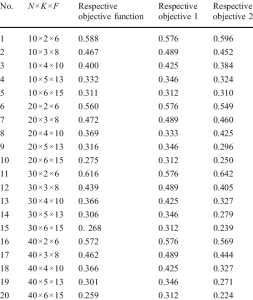
Let’s look at some real-world scenarios to see how different travel insurance plans might handle various situations. Remember, the specifics will always depend on the exact policy wording, so always read the fine print! These examples use hypothetical plans for illustrative purposes.
Medical Evacuation Scenario
Imagine Sarah, a hiker in Nepal, who suffers a serious leg injury requiring immediate medical evacuation. Three different plans are considered: “Basic Budget,” “Comprehensive Explorer,” and “Luxury Voyager.”
| Plan Name | Medical Evacuation Coverage | Scenario Cost | Reimbursement |
|---|---|---|---|
| Basic Budget | $50,000 | $60,000 | $50,000 (Policy limit reached) |
| Comprehensive Explorer | $100,000 | $60,000 | $60,000 (Full coverage) |
| Luxury Voyager | Unlimited | $60,000 | $60,000 (Full coverage) |
In this case, the “Basic Budget” plan wouldn’t fully cover the cost, leaving Sarah with a $10,000 out-of-pocket expense. The “Comprehensive Explorer” and “Luxury Voyager” plans would cover the entire cost. The difference highlights the importance of considering the potential costs of medical emergencies abroad.
Trip Interruption Due to Natural Disaster
Let’s say Mark’s trip to the Caribbean is cut short due to a hurricane. His flight home is canceled, and his hotel is damaged. He had purchased the “Standard Secure,” “Enhanced Protection,” and “Ultimate Peace of Mind” plans.
| Plan Name | Trip Interruption Coverage | Reimbursement Process | Limitations |
|---|---|---|---|
| Standard Secure | $1,000 | Submit receipts for canceled flights and accommodation, along with a statement from the airline or hotel. | Limited to $1,000, and may not cover all expenses. |
| Enhanced Protection | $2,500 | Similar to Standard Secure, with additional documentation requirements. | Covers a wider range of expenses, but still has a limit. |
| Ultimate Peace of Mind | Up to the original trip cost | Requires comprehensive documentation of canceled bookings and expenses. | Typically covers the majority of trip expenses, subject to policy terms. |
Mark’s experience demonstrates how different levels of coverage can significantly impact the financial burden of unexpected trip disruptions. The reimbursement process usually involves submitting detailed documentation.
Lost Luggage Scenario
Imagine Lisa’s luggage is lost during her flight to Europe. She has a “Basic Traveler,” “Mid-Range Comfort,” and “Premium Elite” plan.
| Plan Name | Lost Luggage Coverage | Claims Process | Reimbursement Limits |
|---|---|---|---|
| Basic Traveler | $500 | File a claim with the insurer, providing documentation from the airline. | Limited to $500 per bag. |
| Mid-Range Comfort | $1,000 | Similar to Basic Traveler, potentially requires additional documentation. | $1,000 per bag, with specific item limits. |
| Premium Elite | $2,000 | Usually a streamlined process with dedicated claims support. | $2,000 per bag, potentially covering a wider range of items. |
The claims process for lost luggage typically involves reporting the loss to the airline and then filing a claim with the insurer, providing necessary documentation like baggage tags and receipts. The reimbursement amount varies significantly depending on the chosen plan.
Ultimate Conclusion

Ultimately, selecting the right travel insurance plan comes down to understanding your needs and risk tolerance. By carefully comparing plans based on coverage, cost, and exclusions, and by using the decision-making tools and examples provided in this guide, you can confidently choose a policy that protects your investment and ensures a worry-free trip. Remember, a little preparation goes a long way in preventing financial setbacks during your travels.


