
How to Budget for a Trip Your Ultimate Guide
How to budget for a trip? It sounds daunting, but planning a trip that fits your wallet doesn’t have to be stressful. This guide breaks down the process step-by-step, from estimating initial costs to tracking your spending on the go. We’ll explore strategies for finding affordable flights, accommodation, food, activities, and more, ensuring you get the most out of your adventure without breaking the bank. Get ready to plan your dream vacation without the financial anxiety!
Mastering the art of travel budgeting involves careful planning and smart choices. We’ll cover everything from comparing accommodation options (hotels, hostels, Airbnb) and transportation methods (flights, trains, buses) to creating a realistic daily food budget and identifying free or low-cost activities at your destination. We’ll even delve into the often-overlooked area of unexpected expenses and how to build a buffer for those surprise costs. By the end, you’ll have the confidence and tools to create a budget that works for you, allowing you to enjoy your trip to the fullest.
Defining Your Trip Budget

Source: slidesdocs.com
Planning a trip is exciting, but without a solid budget, that excitement can quickly turn into stress. A well-defined budget ensures you can enjoy your trip without the worry of overspending. This section will guide you through the process of creating a realistic and achievable budget for your adventure.
Trip Duration and Destinations
First things first: how long will your trip be? Knowing the exact number of days (or weeks) is crucial for accurately estimating expenses. For example, a week-long trip will naturally cost less than a month-long backpacking adventure. Next, pinpoint your destinations. Are you visiting one city, or backpacking across multiple countries? Each location will have varying costs for accommodation, food, and activities. The more locations, the more detailed your planning needs to be. Let’s say you’re planning a 10-day trip to Rome and Florence, Italy. This is different from a 10-day trip to Southeast Asia, where travel time between destinations adds to the overall cost.
Transportation Costs
Flights or other forms of transportation often represent a significant portion of your total budget. Start by identifying your departure and arrival points. Then, utilize multiple online travel agencies (OTAs) such as Skyscanner, Google Flights, Kayak, and Momondo to compare prices. Be flexible with your travel dates if possible; flying mid-week or during the off-season can often save you a considerable amount. For instance, a round-trip flight from New York to London might cost $800 in the off-season but easily jump to $1200 or more during peak travel times. Remember to factor in transportation costs within your destination(s) – local buses, trains, taxis, or ride-sharing services.
Detailed Expense List
Creating a comprehensive list of potential expenses is key. This goes beyond just flights. Consider the following categories:
- Accommodation: Hotels, hostels, Airbnb, or camping. Research average nightly rates for your chosen accommodation type in your destinations. For example, a budget hostel in Southeast Asia might cost $10-$20 per night, while a mid-range hotel in Paris could be $100-$200 per night.
- Food and Drink: Estimate daily food costs based on your eating habits. Will you be eating mostly street food, or dining at upscale restaurants? A daily budget of $25 could cover basic meals in many parts of the world, while $100 per day could allow for more luxurious dining experiences.
- Activities and Attractions: Research the cost of entry fees for museums, tours, and other activities you plan to do. For example, a guided tour of the Colosseum in Rome might cost $50, while a day trip to a national park could be significantly cheaper or more expensive depending on the location and activities.
- Souvenirs and Shopping: Allocate a specific amount for souvenirs and shopping. Avoid overspending by setting a realistic budget and sticking to it. It’s easy to get carried away!
- Miscellaneous Expenses: This category covers unexpected costs, such as laundry, tips, phone charges, and travel insurance. It’s wise to add a buffer of 10-20% to your total budget to account for unforeseen circumstances.
Remember to always factor in potential unexpected expenses. A good rule of thumb is to add a contingency buffer of at least 10-20% to your total estimated costs.
Accommodation Costs

Source: squarespace-cdn.com
Choosing the right accommodation significantly impacts your trip budget. Understanding the different options and their associated costs is crucial for planning a financially responsible adventure. This section will break down the various accommodation types, highlighting price ranges and amenities to help you make informed decisions.
Accommodation costs vary wildly depending on several factors. Location plays a huge role; staying in the heart of a bustling city center will generally be more expensive than opting for a location slightly further out. The time of year also influences prices, with peak seasons commanding higher rates. Finally, the type of accommodation itself—from budget-friendly hostels to luxurious hotels—drastically alters the cost.
Accommodation Type Comparison
Let’s compare three common accommodation types: hotels, hostels, and Airbnbs. The price per night and amenities offered will vary significantly, influencing your overall trip budget.
| Accommodation Type | Price Per Night (Estimate) | Amenities | Notes |
|---|---|---|---|
| Budget Hotel (e.g., Motel 6, Travelodge) | $50 – $100 | Basic room, private bathroom, sometimes free Wi-Fi | Expect limited amenities and potentially less desirable locations. |
| Hostel (e.g., Generator, HI Hostels) | $20 – $40 (dorm bed), $60 – $100 (private room) | Dorm rooms or private rooms, shared bathrooms, common areas, often social atmosphere | Great for budget travelers and meeting other people; private rooms offer more privacy. |
| Airbnb (Private Room or Entire Apartment) | $50 – $300+ | Varies greatly depending on the listing; can include kitchen, laundry, private bathroom, and more. | Offers more space and flexibility than hotels or hostels; prices depend heavily on location and amenities. |
Cost Differences Between Budget, Mid-Range, and Luxury Accommodations
The difference in cost between budget, mid-range, and luxury accommodations is substantial. Budget options prioritize affordability, often sacrificing amenities and location for price. Mid-range accommodations provide a balance between cost and comfort, offering more amenities and potentially better locations. Luxury accommodations prioritize comfort, exclusivity, and high-end amenities, resulting in significantly higher prices.
For example, a budget hotel might offer a basic room with a shared bathroom, while a mid-range hotel might include a private bathroom, a swimming pool, and free breakfast. A luxury hotel would offer all of these, plus additional amenities like a spa, concierge service, and fine dining options. The cost difference could easily be several hundred dollars per night.
Transportation Budgeting

Source: gr8traveltips.com
Planning your transportation is crucial for sticking to your trip budget. The cost of getting around can quickly add up, so careful consideration of your options is essential. This section will help you navigate the various transportation choices and find ways to save money.
Transportation costs vary wildly depending on your destination and the mode of transport you choose. Flights are generally the fastest but often the most expensive option, especially for long distances. Trains offer a comfortable and scenic alternative, but they can be slower and pricier than buses, especially for shorter journeys. Buses are usually the most budget-friendly option, but they’re also the slowest and might not be the most comfortable for long trips. Rental cars offer flexibility but come with fuel costs, insurance, and potential parking fees.
Comparing Transportation Costs
Let’s compare some examples. A round-trip flight from New York to Los Angeles might cost between $300 and $800, depending on the time of year and how far in advance you book. A similar train journey could cost anywhere from $500 to $1200, while a bus trip might be as low as $150 but could take significantly longer. Renting a car for a week-long road trip across the US could easily cost $500-$1000, including fuel and insurance. These are just examples, and prices can fluctuate based on several factors.
Finding Affordable Flights and Transportation Deals
Several strategies can help you find cheaper transportation. Websites like Google Flights, Skyscanner, and Kayak allow you to compare prices from various airlines and travel agencies. Consider flying into smaller, less popular airports, which often have lower fares. Being flexible with your travel dates can also significantly impact the price; mid-week flights and traveling during the off-season are generally cheaper. Signing up for email alerts from airlines and travel websites can help you snag deals and last-minute offers. Using travel reward programs or credit cards with travel benefits can also help accumulate points or miles to reduce costs.
Factors Affecting Transportation Costs
The cost of transportation is heavily influenced by the time of year and how far in advance you book. Peak seasons (holidays, school breaks) generally see higher prices across all modes of transport. Booking flights and other transport well in advance usually secures better deals, as prices tend to increase closer to the departure date. Similarly, last-minute bookings often command higher prices, although sometimes unexpectedly cheap deals pop up. Consider the distance of travel as well; longer distances naturally cost more.
Saving Money on Transportation
Here are some practical tips for keeping transportation costs down:
- Utilize budget airlines and bus companies.
- Consider overnight buses or trains to save on accommodation costs.
- Pack light to avoid checked baggage fees.
- Look for discounts and promotions offered by transportation providers.
- Use public transportation whenever possible at your destination.
- Carpool or rideshare with travel companions.
- Walk or cycle where feasible.
Food and Drink Expenses

Source: ai4trips.com
Food and drink can significantly impact your trip budget. Whether you’re backpacking through Southeast Asia or enjoying a luxurious getaway in Europe, careful planning in this area can save you a substantial amount of money. This section will help you navigate the choices and create a realistic food budget for your adventure.
Managing Food Costs: Eating Out Versus Self-Catering
The choice between eating out and self-catering heavily influences your food budget. Eating out offers convenience and the chance to sample local cuisine, but it’s generally more expensive. Self-catering, on the other hand, involves preparing your own meals, which is typically much cheaper. The best approach depends on your travel style, the availability of grocery stores, and your cooking skills. Consider a balance; perhaps eat out for special occasions and self-cater for most meals.
Budget-Friendly Meal Options for Various Destinations
Budget-friendly eating varies greatly depending on location. In Southeast Asia, street food markets offer delicious and incredibly affordable options – expect to pay a few dollars for a satisfying meal. In Europe, utilizing local supermarkets and preparing simple meals in your accommodation (if equipped with a kitchen) can significantly reduce costs. In North America, fast-food chains are generally cheaper than sit-down restaurants. Always explore local markets for fresh produce and ingredients, which are often cheaper than pre-packaged meals.
Savings from Packing Snacks and Drinks, How to budget for a trip
Packing snacks and drinks can lead to significant savings, especially during travel days or when sightseeing. Think about bringing non-perishable items like granola bars, nuts, dried fruit, and energy bars. A reusable water bottle can also prevent you from buying expensive bottled water throughout your trip. This strategy minimizes impulse purchases and keeps you energized without breaking the bank.
Sample Daily Food Budget
A daily food budget varies significantly depending on your destination and preferred eating style. Here’s a sample daily food budget for various spending levels:
| Spending Level | Daily Budget (USD) | Example Breakdown |
|---|---|---|
| Budget Traveler | $15 | Breakfast: $3 (local bakery), Lunch: $5 (street food), Dinner: $7 (local restaurant) |
| Mid-Range Traveler | $30 | Breakfast: $5 (cafe), Lunch: $10 (casual restaurant), Dinner: $15 (restaurant with local specialties) |
| Luxury Traveler | $75+ | Breakfast: $15 (hotel breakfast buffet), Lunch: $25 (upscale restaurant), Dinner: $35+ (fine dining) |
Remember these are just examples, and your actual costs may vary. Factor in the cost of drinks, snacks, and occasional splurges when planning your daily food budget.
Activity and Entertainment Costs

Source: travelwandergrow.com
Planning for activities and entertainment is crucial for a fun and fulfilling trip, but it can quickly inflate your budget if not managed carefully. This section will help you navigate the costs associated with things to do, ensuring you get the most bang for your buck. We’ll cover identifying free options, comparing prices, prioritizing activities, and creating a list of potential budget-friendly entertainment.
Free and Low-Cost Activities
Many destinations offer a wealth of free or low-cost activities. Exploring these options can significantly reduce your entertainment expenses and often lead to unexpectedly rewarding experiences. Researching local parks, walking tours, free museums (many offer free admission days or evenings), and free cultural events (like concerts in parks or street festivals) are excellent starting points. Consider checking local tourism websites or community event calendars for a comprehensive list of free activities. For example, many major cities offer free walking tours led by passionate locals, providing a unique and insightful perspective on the city’s history and culture.
Comparing Prices for Paid Activities
Once you’ve identified paid activities that interest you, comparing prices is essential. Don’t just settle for the first price you see. Look for discounts, combo tickets (offering access to multiple attractions at a reduced price), and online booking options, which often provide better deals than purchasing tickets on-site. For example, consider purchasing a city pass if your itinerary involves multiple attractions. These passes bundle entry to various sites at a lower overall cost than buying individual tickets. Websites like TripAdvisor and Viator allow you to compare prices from different vendors for tours and activities.
Prioritizing Activities Based on Budget and Interest
Prioritize activities based on both your budget and personal interests. Create a list of “must-do” activities and “would-like-to-do” activities. Assign each activity a price and then rank them based on your level of interest and affordability. For instance, if visiting a specific museum is a top priority but expensive, consider adjusting your budget in other areas (like opting for cheaper accommodation) to accommodate it. Conversely, if a particular activity is less important to you, but more expensive, you can choose to omit it to save money.
Potential Free or Low-Cost Entertainment Options
- Exploring local parks and green spaces.
- Visiting free museums or galleries (check for free admission days).
- Taking advantage of free walking tours.
- Attending free concerts or festivals.
- Visiting local markets or farmers’ markets.
- Picnicking in a scenic location.
- Going for a hike or bike ride.
- Playing board games or cards with travel companions.
- Enjoying free Wi-Fi at cafes and libraries to stay connected.
Remember to factor in potential incidental costs like transportation to and from free activities. Even free activities might require a small outlay for public transportation or a ride-sharing service.
Miscellaneous Expenses

Source: typecalendar.com
Planning a trip involves more than just flights, hotels, and activities. There are always those smaller, often unexpected, costs that can quickly add up and derail your budget if you’re not prepared. This section focuses on identifying and managing these miscellaneous expenses to ensure a smoother and more financially comfortable trip.
Ignoring these smaller costs is a common budgeting mistake. Failing to account for them can lead to stressful financial situations while you’re away, forcing you to cut back on planned activities or even dip into your savings unexpectedly. Building a buffer into your budget is key to avoiding these issues and enjoying your trip without financial worry.
Potential Unexpected Expenses
Unexpected costs are a fact of life, especially when traveling. These can range from minor inconveniences to significant financial burdens. Proper planning helps mitigate the impact.
Examples of potential unexpected expenses include travel insurance claims (medical emergencies, lost luggage), visa fees (if applicable to your destination), baggage fees (overweight or oversized luggage), and emergency medical expenses. Additionally, you might face unexpected transportation costs due to delays or unforeseen circumstances, or need to replace lost items.
The Importance of a Budget Buffer
Building a buffer into your budget is crucial for handling unforeseen expenses. Think of it as a safety net. This extra money allows you to cover unexpected costs without significantly impacting your planned activities or forcing you to make difficult financial decisions while traveling.
A good rule of thumb is to allocate 10-20% of your total expected travel costs as a buffer. For example, if your planned trip costs $1000, allocating $100-$200 as a buffer would provide a reasonable safety net. The percentage can be adjusted based on your risk tolerance and the destination’s predictability. A trip to a more remote location with less reliable infrastructure might warrant a larger buffer.
Minimizing Miscellaneous Expenses
While some unexpected expenses are unavoidable, many can be minimized with careful planning and proactive measures.
To minimize miscellaneous expenses, consider these strategies: Pack light to avoid baggage fees. Purchase travel insurance early to secure better rates and broader coverage. Research visa requirements well in advance to avoid last-minute rush fees. Utilize free resources like city maps and public transportation instead of relying solely on taxis or ride-sharing services. Compare prices for various travel insurance providers to ensure you get the best value for your money.
Budget Breakdown Example
Imagine a trip to Europe costing $2000. This could be broken down as follows:
A visual representation could be a simple bar chart. The longest bar would represent “Accommodation & Transportation” ($800), followed by “Activities & Food” ($700). A shorter bar would show “Expected Miscellaneous” ($200) – things like visa fees and travel insurance. Finally, a smaller bar represents the “Unexpected Expense Buffer” ($300), a crucial element to handle unexpected issues.
Tracking and Managing Your Spending

Source: herpackinglist.com
Keeping track of your spending while traveling is crucial to avoid overspending and ensure your trip stays within budget. Effective tracking allows you to identify areas where you might be exceeding your planned expenses and make necessary adjustments throughout your journey. This section Artikels several methods for monitoring your spending and strategies for staying on track.
Expense Tracking Methods
Several methods exist for diligently tracking your expenses. Choosing the right method depends on your personal preference and technological comfort. Using a system that suits your style is key to consistent monitoring.
- Spreadsheets: A simple spreadsheet (like one in Google Sheets or Microsoft Excel) can be a powerful tool. Create columns for date, description of expense, category (e.g., accommodation, food, activities), and amount. You can easily calculate totals and track your spending against your budget. For example, a column titled “Budget vs. Actual” could compare planned vs. actual spending for each category.
- Budgeting Apps: Numerous budgeting apps (Mint, YNAB, Personal Capital, etc.) offer features like automatic expense categorization, visual representations of spending, and even goal-setting tools. Many allow you to connect your bank accounts and credit cards for automatic import of transactions. The app will categorize and visually represent your spending.
- Manual Journal: For a completely offline approach, a simple notebook can suffice. Write down each expense, categorizing it as you go. This method is less convenient for analysis but guarantees a record even without internet access.
Benefits of Daily Budget Checks
Regularly reviewing your spending, ideally daily, provides several significant advantages. It allows for proactive adjustments and prevents unexpected financial surprises at the end of your trip.
- Early Problem Detection: Daily checks help you spot overspending early, giving you time to make adjustments before the situation becomes unmanageable. For example, if you realize you’re consistently exceeding your daily food budget, you can opt for less expensive meals for the remaining days.
- Improved Financial Awareness: Seeing your spending in real-time increases your awareness of your spending habits and helps you make more informed decisions about future purchases. You’ll gain a clearer understanding of where your money is going.
- Enhanced Budget Control: Daily checks empower you to stay within your planned budget. By regularly monitoring your spending, you’re less likely to make impulsive purchases that derail your financial plan.
Strategies for Staying Within Budget
Staying on track requires discipline and proactive planning. Here are some helpful strategies:
- Set Realistic Daily Limits: Divide your total budget by the number of days in your trip to determine a daily spending limit. This provides a clear guideline for each day’s expenses.
- Prioritize Expenses: Identify essential expenses (like accommodation and transportation) and allocate sufficient funds. Then, prioritize activities and entertainment based on your budget and preferences.
- Utilize Free Activities: Explore free or low-cost activities like hiking, visiting parks, or exploring local markets to save money on entertainment.
- Take Advantage of Discounts: Look for discounts on attractions, transportation, and food through websites, apps, or local tourism offices.
- Cook Some Meals: Preparing some of your own meals can significantly reduce food costs, especially if you’re staying in accommodation with kitchen facilities.
Creating a Simple Travel Budget Spreadsheet
A spreadsheet provides a clear and organized way to manage your travel budget. Here’s a step-by-step guide:
- Create Columns: Set up columns for “Date,” “Description,” “Category,” “Amount,” and “Budget vs. Actual”.
- Input Planned Expenses: Enter your planned expenses for each category (accommodation, transportation, food, activities, etc.) based on your pre-trip budget.
- Record Actual Expenses: As you incur expenses, record the date, description, category, and amount in the spreadsheet.
- Calculate Totals: Use spreadsheet formulas to calculate the total spent in each category and the overall total spent.
- Compare to Budget: Use the “Budget vs. Actual” column to compare your planned expenses against your actual spending, highlighting any discrepancies.
Tips for Saving Money on Your Trip: How To Budget For A Trip

Source: adniasolutions.com
Planning a trip doesn’t mean breaking the bank. With a little savvy planning and resourcefulness, you can significantly reduce your travel expenses and still have an amazing adventure. This section explores several strategies to help you save money without sacrificing the quality of your trip.
Affordable Travel Deals
Finding affordable travel deals requires proactive searching and flexibility. Websites and apps often offer last-minute deals, especially during off-season travel periods. Consider traveling mid-week instead of weekends, as prices are generally lower. Being flexible with your travel dates also opens up more possibilities for cheaper flights and accommodation. Don’t be afraid to explore alternative airports – sometimes a slightly further airport can offer significantly cheaper flights.
Travel Reward Programs: Advantages and Disadvantages
Travel reward programs, such as airline and hotel loyalty programs, offer points or miles that can be redeemed for flights, hotel stays, and other travel perks. The advantage is clear: potential for significant savings on future trips. However, the disadvantage lies in the potential for accumulating points slowly, requiring consistent spending within the program’s ecosystem. Furthermore, reward programs often have complex terms and conditions, and the value of points can fluctuate. Carefully weigh the benefits against the potential drawbacks before committing significant spending to a single program.
Effective Travel Hacking Techniques
Travel hacking involves strategically using credit cards, loyalty programs, and other tools to maximize travel rewards. This often includes signing up for credit cards with lucrative sign-up bonuses, strategically booking flights and hotels through partner programs, and taking advantage of promotions and discounts. However, it’s crucial to use responsible credit card management practices to avoid incurring debt. Successful travel hacking requires meticulous planning and attention to detail, ensuring you always stay within your budget and avoid accumulating unnecessary debt. For example, someone might strategically use a credit card with a large sign-up bonus for flights, paying it off in full before the interest accrues, thereby essentially getting a free or heavily discounted flight.
Websites and Apps for Finding Travel Deals
Several websites and apps specialize in finding affordable travel options. Popular options include Google Flights, Skyscanner, Kayak, Hopper, and Expedia. These platforms allow you to compare prices from various airlines and hotels, helping you identify the best deals. Additionally, apps like Airbnb and VRBO offer alternative accommodation options, often at lower prices than traditional hotels. These tools are invaluable for finding the best prices and deals, but remember to always compare prices across multiple platforms to ensure you are getting the best possible deal.
Conclusion
Source: docsandslides.com
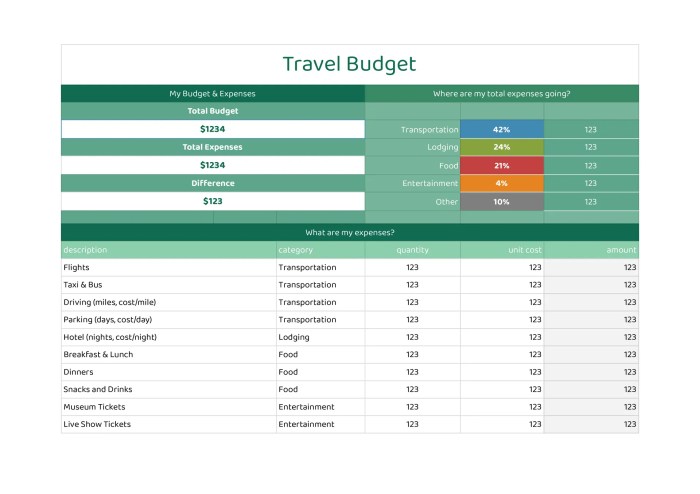
Planning a trip should be exciting, not stressful. By following these steps and employing the tips provided, you’ll be well-equipped to create a detailed travel budget that aligns perfectly with your financial capabilities. Remember, it’s all about finding the right balance between your travel aspirations and your financial reality. With a little planning and smart decision-making, you can have an unforgettable trip without the post-vacation debt. So, start planning your dream getaway today—your wallet will thank you!


