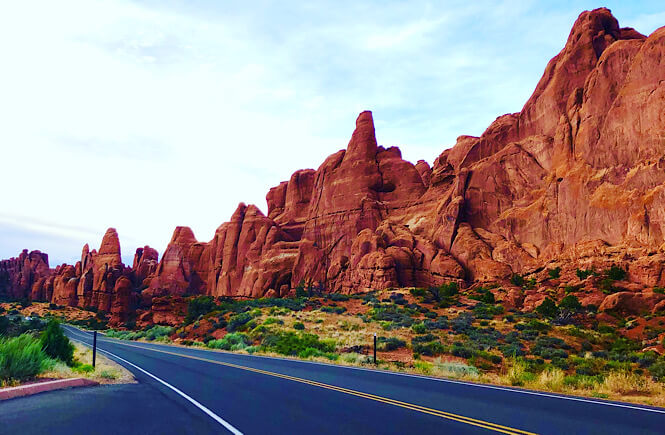
Popular Hiking Trails in the US
Popular hiking trails in the US offer incredible diversity, from challenging mountain climbs to gentle coastal strolls. This guide explores the best trails across the country, considering factors like difficulty, scenery, accessibility, and cultural significance. We’ll cover everything you need to know to plan your next adventure, whether you’re a seasoned hiker or just starting.
Get ready to discover stunning landscapes, learn about unique ecosystems, and find the perfect trail to match your skill level and interests. We’ll delve into regional variations, highlighting the best trails each area has to offer, along with practical tips for safety and planning a successful hike.
Geographic Distribution of Popular Trails

Source: outdoors.com
The popularity of hiking trails in the US is heavily influenced by geographic location, encompassing diverse landscapes and varying levels of accessibility. Factors such as proximity to major population centers, the unique geological features of a region, and the overall difficulty of a trail all contribute to a trail’s popularity. This section explores the distribution of popular trails across the US, categorized by region, and analyzes the factors influencing their popularity.
Regional Distribution of Popular Hiking Trails
Imagine a map of the contiguous United States. You’d see clusters of popular hiking trails concentrated in certain areas. The Northeast boasts trails through Appalachian forests, the Southeast features trails winding through coastal plains and mountains, the Midwest offers trails traversing prairies and rolling hills, the Southwest showcases trails in arid deserts and canyons, and the West presents a vast array of trails in mountainous regions, forests, and along the Pacific coast. The following table provides a glimpse into this distribution:
| Region | Trail Name | State | Difficulty Level |
|---|---|---|---|
| Northeast | Appalachian Trail (sections) | Various (ME, NH, VT, NY, NJ, PA, MD, VA, NC, GA, TN) | Strenuous |
| Southeast | Bright Angel Trail (Grand Canyon) | Arizona | Strenuous |
| Midwest | Ice Age Trail | Wisconsin | Moderate to Strenuous (depending on section) |
| Southwest | Angels Landing (Zion National Park) | Utah | Strenuous |
| West | John Muir Trail | California | Strenuous |
| West | Pacific Crest Trail (sections) | California, Oregon, Washington | Strenuous |
Comparative Analysis of Trail Popularity Based on Geographic Location
Trail popularity is significantly impacted by accessibility and proximity to major cities. Trails near large metropolitan areas, such as those in the Northeast corridor (e.g., sections of the Appalachian Trail near New York City or Philadelphia), tend to be more popular due to ease of access. Conversely, trails located in remote areas, even if exceptionally scenic, might have lower visitation due to longer travel times and logistical challenges. The Southwest’s popularity, for example, is partially fueled by the proximity of trails like those in Zion and Bryce Canyon National Parks to major cities like Las Vegas and Salt Lake City, despite the often strenuous nature of the trails themselves.
Unique Characteristics of Trails by Region
Each region offers unique hiking experiences. The Northeast’s Appalachian Trail showcases the rugged beauty of the Appalachian Mountains, with its forests and diverse ecosystems. The Southeast, with its coastal plains and mountain ranges, offers a mix of diverse landscapes and challenges. The Midwest’s Ice Age Trail, traces the path of the last glaciers, providing a unique perspective on geological history. The Southwest’s trails often feature dramatic canyons and arid landscapes, requiring careful planning and preparation. Finally, the West’s trails, including sections of the Pacific Crest Trail and the John Muir Trail, present stunning vistas of towering mountains, alpine meadows, and vast forests. These varied landscapes contribute to the diverse appeal of hiking in the United States.
Trail Difficulty and Length Variations

Source: usatoday.com
Choosing the right hiking trail depends heavily on your experience level and physical fitness. Understanding the difficulty and length of a trail is crucial for a safe and enjoyable experience. This section will categorize popular trails by difficulty and length, providing you with the information you need to plan your next adventure.
Difficulty levels are subjective and can vary based on individual fitness, weather conditions, and trail maintenance. Always check recent trail reports before embarking on your hike. Length is measured in miles and reflects the total round-trip distance unless otherwise specified.
Trail Difficulty and Length Categorization
The following list categorizes some popular US hiking trails by difficulty and length. This is not an exhaustive list, and many other trails exist across the country. Remember to always research specific trails thoroughly before you go.
- Easy:
- Lake McDonald Valley Trail, Glacier National Park, MT (various lengths, generally under 5 miles roundtrip, relatively flat terrain)
- The paved section of the C&O Canal Towpath, Maryland (variable length, generally easy walking)
- Mossy Glen Trail, Acadia National Park, ME (1-mile loop, relatively flat and well-maintained)
- Moderate:
- Angels Landing, Zion National Park, UT (5.4 miles roundtrip, significant elevation gain, chains for assistance in sections)
- Appalachian Trail (sections), various states (variable lengths, moderate elevation changes, varied terrain)
- Lost Lake Trail, Rocky Mountain National Park, CO (2.6 miles roundtrip, some elevation gain, moderate incline)
- Strenuous:
- Half Dome, Yosemite National Park, CA (14-16 miles roundtrip, extremely strenuous elevation gain, requires a permit)
- Bright Angel Trail, Grand Canyon National Park, AZ (descent to the Colorado River and back, very steep and long)
- Mount Whitney Trail, Inyo National Forest, CA (22 miles roundtrip, extreme elevation gain, high altitude, requires permit)
Trail Difficulty Comparison Table
This table provides a general comparison of average elevation gain, distance, and estimated hiking time for trails within each difficulty category. These are estimates and can vary significantly based on individual pace and conditions.
| Difficulty | Average Elevation Gain (feet) | Average Distance (miles) | Estimated Hiking Time (hours) |
|---|---|---|---|
| Easy | < 1000 | < 5 | 2-4 |
| Moderate | 1000-3000 | 5-10 | 4-8 |
| Strenuous | > 3000 | > 10 | > 8 |
Trail Terrain and Challenges Examples
Understanding the specific terrain and potential challenges of a trail is vital for proper preparation. Here are some examples:
Easy Trails (e.g., Lake McDonald Valley Trail): Generally well-maintained, mostly flat or gently sloping paths. Challenges may include uneven surfaces or occasional stream crossings. Suitable for families and beginners.
Moderate Trails (e.g., Angels Landing): Steeper inclines, potentially rocky or uneven terrain. May involve some scrambling or using handholds. Requires a moderate level of fitness and experience.
Strenuous Trails (e.g., Half Dome): Significant elevation gain, often steep and rocky terrain. May involve exposure to heights, long distances, and challenging weather conditions. Requires excellent physical fitness, experience, and proper gear. Permits and reservations are often required.
Scenery and Environmental Features

Source: usatoday.com
Hiking trails across the US offer an incredible diversity of landscapes and ecosystems. From towering mountain peaks to sun-baked deserts and lush coastal forests, the scenery varies dramatically depending on location and trail choice. This diversity also translates to a rich array of flora and fauna, making each trail a unique ecological experience.
Exploring these diverse environments allows hikers to witness stunning vistas, learn about different plant and animal communities, and appreciate the geological history of the region. The following sections detail some of the highlights.
Mountain Scenery and Alpine Flora
Many popular trails traverse stunning mountain ranges, offering breathtaking panoramic views. The Appalachian Trail, for instance, winds through the Blue Ridge Mountains, showcasing a tapestry of hardwood forests, cascading waterfalls, and rocky peaks. Higher elevations often reveal unique alpine meadows, home to specialized plant species adapted to harsh conditions.
The Appalachian Trail’s summit of Mount Washington in New Hampshire offers a truly awe-inspiring vista, especially on a clear day, with views stretching for miles across the surrounding mountains and valleys.
High-altitude trails in the Rockies boast dramatic peaks and alpine lakes, often surrounded by wildflowers like Indian paintbrush and lupine, which bloom vibrantly during the summer months.
Forest Ecosystems and Wildlife
Vast stretches of forest cover many US hiking trails. The Pacific Crest Trail, for example, passes through diverse forest types, from dense redwood forests in California to pine and fir forests in Oregon and Washington. These forests support a rich variety of wildlife, including black bears, deer, and various bird species.
Hiking through old-growth redwood forests is a truly humbling experience, surrounded by massive trees that have stood for centuries. The scale and majesty of these trees create an unforgettable atmosphere.
The forests along the Appalachian Trail provide habitat for numerous songbirds, including the brightly colored scarlet tanager and the melodious wood thrush. Hikers often encounter deer grazing in forest clearings.
Desert Landscapes and Unique Adaptations
Desert trails, like sections of the Arizona Trail, offer a starkly different experience. The arid landscape, characterized by cacti, scrub brush, and rocky canyons, supports a surprising array of life adapted to extreme conditions. Animals such as desert tortoises, lizards, and rattlesnakes have evolved unique strategies to survive the heat and drought.
Hiking through the Sonoran Desert reveals the remarkable resilience of desert plants like saguaro cacti, which can store large amounts of water and withstand extreme temperatures.
Sunset views over the vast expanse of the Mojave Desert, with its dramatic rock formations and colorful sunsets, create a memorable experience for hikers.
Coastal Trails and Marine Life, Popular hiking trails in the us
Coastal trails offer stunning ocean views and opportunities to observe marine life. The California Coastal Trail, for example, provides access to dramatic cliffs, sandy beaches, and tide pools teeming with diverse invertebrates.
The dramatic cliffs along the California coast, pounded by waves, create a rugged and awe-inspiring backdrop for hikes. The views of the Pacific Ocean are breathtaking.
Exploring tide pools along the California Coastal Trail reveals a hidden world of sea anemones, starfish, and various types of shellfish. These tide pools are important nurseries for many marine species.
Accessibility and Trail Maintenance

Source: starsinsider.com
Enjoying America’s stunning hiking trails shouldn’t be limited by physical ability. Many factors contribute to a safe and enjoyable experience, including accessibility features and ongoing trail maintenance. Understanding these aspects ensures everyone can appreciate the beauty of our national landscapes.
Many popular trails are working towards greater accessibility, but progress varies significantly. Some trails offer features like paved sections, wider trails, and accessible restrooms, making them suitable for hikers with wheelchairs or other mobility devices. However, many trails remain challenging, with steep inclines, uneven terrain, and limited accessibility infrastructure. The level of accessibility should always be checked before embarking on a hike, using resources like trail descriptions on websites like AllTrails or contacting park authorities directly.
Accessibility Features on Popular Trails
Accessibility features vary widely depending on the trail and the managing organization. Some trails, particularly those in national parks, are actively working to improve accessibility. This may involve constructing ramps, widening trails, and installing handrails where appropriate. However, many trails, especially those in more remote locations, will remain largely inaccessible to hikers with significant mobility limitations. For example, the Appalachian Trail, while incredibly popular, presents significant challenges due to its rugged terrain and steep ascents and descents. In contrast, some urban trails, such as those in city parks, are often more accessible, featuring paved surfaces and gentler slopes. Always research specific trail conditions before you go.
The Role of Trail Maintenance Organizations
Maintaining the condition and safety of hiking trails is a crucial undertaking. Various organizations, including government agencies (like the National Park Service), non-profit groups (like the Appalachian Trail Conservancy), and volunteer groups, contribute significantly. Their work includes everything from clearing fallen trees and repairing eroded sections to installing signage and managing parking areas. These organizations often rely heavily on volunteers and donations to fund their efforts, making public support essential for preserving the quality of our trails. Their efforts ensure the trails remain safe, enjoyable, and accessible for years to come.
Challenges in Trail Maintenance
Maintaining trails presents many challenges. Erosion, caused by rainfall and foot traffic, is a significant concern. Overuse, especially on popular trails, can lead to the widening of trails, damage to vegetation, and increased erosion. Weather events, like heavy rains, snowstorms, and wildfires, can cause substantial damage, requiring extensive repair work. Funding limitations, lack of volunteers, and the sheer scale of the task also pose ongoing challenges for trail maintenance organizations. For instance, a severe wildfire could render miles of trail impassable, requiring significant time and resources to restore. The ongoing challenge is to balance the popularity of trails with the need to protect their environmental integrity and ensure their long-term sustainability.
Safety Considerations and Best Practices: Popular Hiking Trails In The Us

Source: themoderndayadventurer.com
Hiking, while rewarding, demands careful planning and adherence to safety guidelines. Neglecting these precautions can lead to serious consequences, ranging from minor injuries to life-threatening situations. This section details crucial safety measures to ensure a safe and enjoyable hiking experience.
Weather Preparedness
Understanding and preparing for changing weather conditions is paramount. Mountain weather can be unpredictable, shifting dramatically in short periods. Before embarking on a hike, always check the forecast and be prepared for sudden changes, including rain, snow, extreme heat, or strong winds. Pack layers of clothing to adapt to fluctuating temperatures, including waterproof and windproof outerwear. A reliable weather radio can provide real-time updates while on the trail. Consider postponing your hike if severe weather is predicted. For example, a sudden thunderstorm in a mountainous region can quickly lead to flash floods and lightning strikes, making it incredibly dangerous to be on the trail.
Navigation Skills and Techniques
Accurate navigation is crucial, especially on less-traveled trails or in areas with limited cell service. Carry a map and compass, and know how to use them effectively. Learn basic map reading and compass skills before your hike. Familiarize yourself with the trail route beforehand, identifying potential landmarks and alternative routes. Download offline maps to your phone, but remember that electronic devices can fail. GPS devices can be helpful but should be considered a supplementary tool, not your primary navigation system. For instance, a hiker relying solely on a GPS device that malfunctions could easily become lost and disoriented.
Wildlife Encounters
Many trails traverse areas inhabited by wildlife, ranging from small animals to larger predators. Learn about the local fauna before your hike and understand their behavior. Make noise while hiking to avoid surprising animals. Carry bear spray in bear country and know how to use it effectively. Store food properly to avoid attracting animals to your campsite. Maintain a safe distance from wildlife and never approach or feed them. For example, a close encounter with a mountain lion requires calm, assertive behavior; slowly backing away while making yourself appear larger is recommended.
Proper Gear and Equipment
Choosing the right gear is essential for a safe and comfortable hike. This includes sturdy hiking boots, appropriate clothing for the weather conditions, a well-stocked first-aid kit, plenty of water, high-energy snacks, a headlamp or flashlight, sunscreen, insect repellent, and a knife or multi-tool. The specific gear will vary depending on the trail’s difficulty, length, and the expected weather. For instance, a winter hike in the Rockies requires vastly different gear than a day hike in a desert environment; crampons, ice axes, and extra warm layers are essential in the former case.
Creating a Detailed Hiking Plan
A comprehensive hiking plan is critical for safety. This plan should include the chosen trail, its difficulty level, the expected duration, the starting and estimated finishing times, emergency contacts (including local authorities and emergency services), and a detailed description of the route. Share this plan with someone who is not hiking with you and inform them of your expected return time. Include contingency plans for unexpected situations, such as bad weather, injuries, or getting lost. For example, a detailed plan might include alternative routes in case of trail closures or a designated rendezvous point in case of separation from hiking companions.
Cultural and Historical Significance

Source: outdoors.com
Many popular hiking trails in the US hold deep cultural and historical significance, reflecting centuries of human interaction with the landscape. These trails weren’t simply created for recreation; they often served as vital transportation routes, trade pathways, and pilgrimage sites for various groups, leaving behind a rich tapestry of stories woven into the very fabric of the land. Understanding this history adds a profound layer to the hiking experience, transforming a simple walk into a journey through time.
Exploring the historical and cultural dimensions of these trails reveals fascinating insights into the lives and traditions of those who came before us. We can trace the footsteps of indigenous peoples, early settlers, and pioneers, gaining a deeper appreciation for their resilience, ingenuity, and connection to the natural world. This understanding fosters a sense of stewardship, reminding us of our responsibility to protect these invaluable resources for future generations.
Indigenous Interactions with Trails
Numerous trails across the US were originally established and used by indigenous populations for centuries before European colonization. The Appalachian Trail, for example, overlaps with ancient Native American trails used for hunting, gathering, and seasonal migration. The Chumash people of California utilized extensive trail networks along the coast, connecting villages and resources. These trails were not merely pathways; they were integral parts of the Indigenous peoples’ spiritual and cultural practices, embodying a deep understanding of the land and its resources. The knowledge embedded within these trails – about water sources, safe passage, and medicinal plants – represents an invaluable legacy. The continued use of these trails by indigenous communities today demonstrates their enduring importance.
The Impact of Tourism on Cultural Heritage
The surge in popularity of hiking has undeniably impacted the cultural and historical significance of many trails. Increased foot traffic can lead to erosion, damage to cultural sites, and a potential dilution of the historical narrative. For instance, the overcrowding on some sections of the Pacific Crest Trail has raised concerns about the preservation of fragile ecosystems and the disruption of traditional indigenous practices. Responsible tourism practices, including respecting cultural sites, minimizing environmental impact, and supporting local communities, are crucial to mitigating these negative effects. Education and awareness campaigns can help ensure that visitors understand and appreciate the cultural heritage associated with these trails, contributing to their preservation rather than their degradation.
Examples of Trails with Significant History
The Santa Fe Trail, while not solely a hiking trail, offers a compelling example of a historical route with enduring cultural significance. Used for centuries by indigenous peoples and later by Spanish explorers, traders, and settlers, this trail represents a pivotal chapter in the history of the American Southwest. Its remnants, including campsites, forts, and trading posts, provide tangible links to the past. Similarly, sections of the Oregon Trail, though challenging for modern hikers, offer glimpses into the arduous journeys undertaken by pioneers westward. These trails’ historical significance is not limited to their physical presence; they embody narratives of exploration, migration, and the shaping of the American identity.
Wrap-Up
/GettyImages-947676290-b67137ca12db45978a10e53e79aa2a5c.jpg?w=700)
Source: tripsavvy.com
Exploring America’s popular hiking trails offers a unique opportunity to connect with nature, history, and diverse cultures. Remember to always prioritize safety, plan ahead, and respect the environment. Whether you’re drawn to challenging peaks, serene forests, or breathtaking coastlines, the US has a trail waiting for you. So pack your boots, grab your gear, and get ready for an unforgettable adventure!