American Road Trip Ideas Your Ultimate Guide
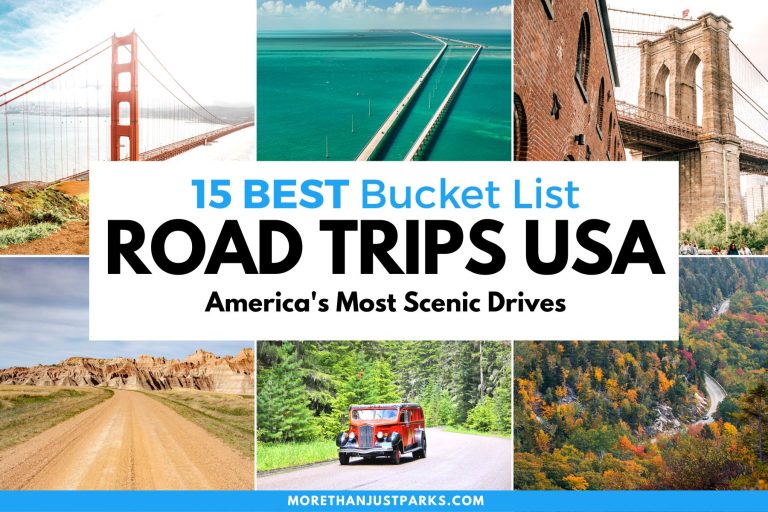
American Road Trip Ideas: Dreaming of open highways, stunning landscapes, and unforgettable adventures? This guide dives into planning the perfect American road trip, from classic cross-country routes to budget-friendly tips and unique experiences. We’ll explore iconic destinations, themed journeys, and practical advice to ensure your trip is safe, fun, and memorable. Get ready to hit the road!
Whether you’re a seasoned traveler or a first-time road-tripper, this comprehensive guide will equip you with everything you need to plan an amazing journey across America. We’ll cover route planning, budgeting, safety, and sustainable travel practices, making sure you have a fantastic and responsible adventure. Let’s explore the possibilities!
Classic American Road Trip Routes

Source: rd.com
Planning a cross-country road trip across the USA is an exciting prospect, offering a chance to experience the diverse landscapes and rich history of the nation. This section Artikels three classic routes, highlighting key attractions and providing practical information to help you plan your adventure. Remember that driving times are estimates and can vary depending on traffic and weather conditions.
Three Cross-Country Road Trip Routes, American Road Trip Ideas
Below are three distinct routes, each offering a unique experience:
- Route 1: The Southern Route (Los Angeles to New York City): This route takes you through iconic Southern states, offering warm weather, beautiful beaches, and rich history. Expect stunning coastal drives, vibrant cities, and charming small towns. Estimated driving time: 45-50 hours (approximately 2,700-3,000 miles). Key attractions include: Los Angeles (Hollywood, beaches), New Orleans (French Quarter, jazz music), Nashville (country music), Atlanta (history, museums), and Washington D.C. (monuments, museums).
- Route 2: The Central Route (Chicago to San Francisco): This route provides a balanced experience, encompassing plains, mountains, and deserts. It offers a blend of nature and city life, with opportunities for hiking, sightseeing, and exploring unique cultures. Estimated driving time: 38-42 hours (approximately 2,400-2,600 miles). Key attractions include: Chicago (architecture, museums), Denver (Rocky Mountains, breweries), Salt Lake City (temples, nature), Las Vegas (entertainment, nightlife), and San Francisco (Golden Gate Bridge, Alcatraz).
- Route 3: The Northern Route (Seattle to New York City): This route offers stunning natural beauty, from the Pacific Northwest’s lush forests to the dramatic landscapes of the Northern Plains and Northeast. Expect breathtaking scenery, charming towns, and opportunities for outdoor activities. Estimated driving time: 50-55 hours (approximately 3,000-3,300 miles). Key attractions include: Seattle (Space Needle, Pike Place Market), Yellowstone National Park (geysers, wildlife), Mount Rushmore (presidential monument), Chicago (architecture, museums), and New York City (Empire State Building, Times Square).
Route Comparison Table
This table summarizes the three routes, comparing key factors to help you choose the best option for your trip.
| Route | Scenery | Estimated Cost (fuel & tolls) | Historical Significance |
|---|---|---|---|
| Southern Route | Coastal views, swamps, plantations, vibrant cities | Moderate to High (depending on gas prices and toll roads) | Civil Rights history, colonial history, music history |
| Central Route | Plains, deserts, mountains, diverse cityscapes | Moderate | Pioneer history, Native American culture, westward expansion |
| Northern Route | Forests, mountains, national parks, lakes | High (due to longer distance and potential for higher gas prices in some areas) | National park history, westward expansion, industrial history |
Detailed Itinerary: Southern Route
This itinerary provides a suggested plan for the Southern Route, focusing on key stops and activities. Remember to adjust this based on your interests and time constraints.
- Day 1-3: Los Angeles, CA: Explore Hollywood, visit beaches, and enjoy the vibrant city life. Consider visiting Disneyland or Universal Studios.
- Day 4-5: New Orleans, LA: Immerse yourself in the French Quarter, enjoy live jazz music, and savor the city’s unique cuisine. Take a swamp tour for a unique experience.
- Day 6-7: Nashville, TN: Visit the Country Music Hall of Fame, enjoy live music on Broadway, and explore the city’s rich musical heritage.
- Day 8-9: Atlanta, GA: Explore the city’s history, visit the Martin Luther King Jr. National Historical Park, and discover the city’s diverse cultural offerings.
- Day 10-12: Washington D.C.: Visit the iconic monuments, explore the Smithsonian museums, and experience the nation’s capital. Consider a visit to Arlington National Cemetery.
- Day 13-14: New York City, NY: Arrive in New York City and begin exploring the countless attractions this iconic city offers. The possibilities are endless!
Thematic Road Trips: American Road Trip Ideas

Source: familyroadtrip.co
Planning a road trip isn’t just about the destination; it’s about the journey and the experience you create along the way. Choosing a theme can dramatically enhance your adventure, providing a focus and a narrative to your travels. This allows you to curate a truly unique and memorable experience.
National Parks Road Trip
A National Parks road trip offers breathtaking scenery and unparalleled opportunities for outdoor recreation. From towering mountains to vast deserts, these parks showcase the incredible diversity of America’s natural landscapes. Choosing a route that links several parks allows for a deep dive into nature’s wonders.
- Yellowstone National Park, Wyoming, Montana, & Idaho: Witness geysers like Old Faithful, explore diverse wildlife, and hike amidst stunning geothermal features. The vastness and unique geological formations make this a must-see.
- Yosemite National Park, California: Marvel at iconic granite cliffs like El Capitan and Half Dome, hike among giant sequoia trees, and enjoy breathtaking valley views. The sheer scale and beauty of this park are unforgettable.
- Grand Canyon National Park, Arizona: Gaze into the immense chasm of the Grand Canyon, hike along its rim, or descend into its depths for a truly awe-inspiring experience. The sheer scale and geological history are breathtaking.
- Zion National Park, Utah: Hike through narrow canyons, marvel at towering sandstone cliffs, and enjoy the park’s unique desert ecosystem. The dramatic landscapes and opportunities for adventurous hikes are captivating.
- Glacier National Park, Montana: Explore pristine alpine lakes, hike amidst rugged mountains, and witness abundant wildlife. The untouched wilderness and stunning glacial landscapes offer a unique experience.
Coastal Highway Road Trip
A coastal highway road trip offers stunning ocean views, charming coastal towns, and opportunities for relaxation and water activities. The ever-changing scenery and the salty air make this a refreshing and invigorating experience.
- Highway 1, California: Drive along the iconic Pacific Coast Highway, enjoying dramatic cliffs, scenic beaches, and charming towns like Big Sur and Monterey. The iconic views and the winding road itself make for a memorable drive.
- Route 101, Oregon: Explore the Oregon Coast, known for its dramatic cliffs, tide pools, and charming seaside towns. The rugged beauty and the sense of exploration are captivating.
- Ocean Drive, Miami Beach, Florida: Cruise along this iconic stretch of road, admiring Art Deco architecture, pristine beaches, and the vibrant atmosphere. The vibrant atmosphere and the stunning oceanfront views are exhilarating.
- Blue Ridge Parkway, North Carolina & Virginia: While not strictly coastal, this scenic byway offers stunning mountain vistas and overlooks with glimpses of the Atlantic in the distance. The winding roads and the stunning mountain views make for a scenic drive.
- Maine Coast: Explore the rocky coastline of Maine, visiting charming fishing villages, and lighthouses, and enjoying lobster rolls. The quaint towns and the dramatic coastline offer a unique charm.
Route 66 Road Trip
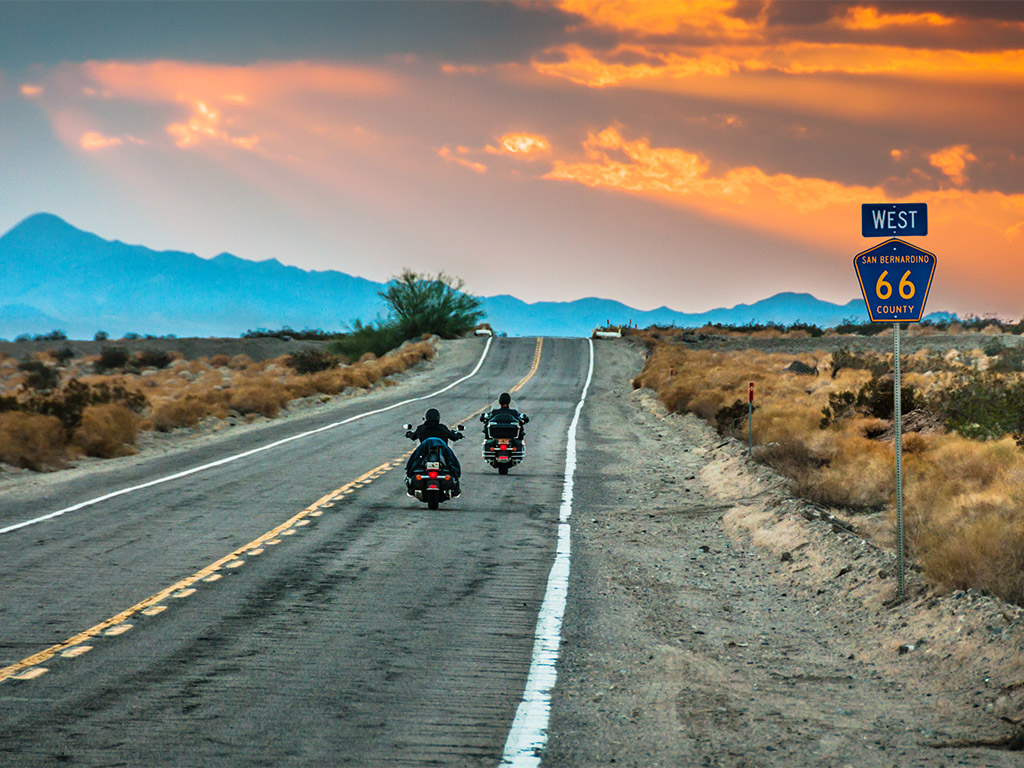
A Route 66 road trip offers a journey through Americana, exploring classic roadside attractions, diners, and motels that evoke a bygone era. This route represents a nostalgic trip through American history and culture.
- Chicago, Illinois: Begin your journey at the starting point of Route 66, exploring the city’s iconic architecture and vibrant culture.
- Springfield, Missouri: Visit the Route 66 Car Museum and explore the city’s historic Route 66 district.
- Oklahoma City, Oklahoma: Experience the state’s rich history and culture, and explore the city’s Route 66 attractions.
- Santa Fe, New Mexico: Explore the unique blend of Native American, Spanish, and American cultures, and discover the city’s historic plaza and art scene.
- Santa Monica, California: End your journey at the Pacific Ocean, reflecting on your journey through American history and culture.
Budget-Friendly Road Trip Planning

Source: rd.com
Planning a classic American road trip doesn’t have to break the bank. With a little strategic planning, you can experience the open road without emptying your wallet. This section focuses on minimizing expenses related to accommodation, food, and activities, providing you with practical tips and a sample budget to guide your adventure.
Minimizing expenses on a road trip requires careful consideration of several key areas: accommodation, food, and activities. By making smart choices in each of these categories, you can significantly reduce your overall travel costs while still enjoying a memorable experience. We’ll explore practical strategies to help you achieve this.
Accommodation Cost Reduction Strategies
Finding affordable accommodation is crucial for keeping your road trip budget in check. Options beyond traditional hotels can significantly impact your spending.
- Camping: Camping offers one of the most budget-friendly accommodation options. National and state parks often have campsites for a fraction of the cost of a hotel room. Pack your own camping gear to further reduce expenses. Consider the potential for beautiful scenery and quiet nights under the stars as a bonus.
- Hostels: Hostels provide a social and affordable alternative to hotels, particularly for solo travelers or those on a tight budget. Many hostels offer private rooms in addition to dorm-style accommodations.
- Vacation Rentals: Sites like Airbnb and VRBO offer a wider range of options, from private rooms to entire houses or apartments. Sharing the cost with travel companions can significantly reduce the per-person expense.
- Budget Motels: While not as luxurious as hotels, budget motels offer basic but clean accommodations at significantly lower prices. Look for deals and discounts online.
- Couchsurfing: For the adventurous traveler, Couchsurfing offers a unique and free way to experience local culture and save on accommodation costs. It’s a great way to meet people and learn about different perspectives.
Food Cost Reduction Strategies
Food costs can quickly add up on a road trip. Planning and making smart choices can significantly reduce this expense.
Packing your lunches and snacks is a simple yet effective way to save money. Avoid frequent restaurant meals by preparing sandwiches, salads, fruits, and other easy-to-transport items. Stopping at grocery stores along the way will allow you to replenish supplies and maintain a balanced diet. Consider utilizing picnic areas at scenic viewpoints for a memorable and cost-effective meal.
Activity Cost Reduction Strategies
Many roadside attractions and activities are free or low-cost. Prioritize these options to maximize your enjoyment while minimizing expenses.
Explore free activities like hiking, visiting national parks (entrance fees may apply, but often offer significant value), exploring small towns, and enjoying scenic drives. Many towns and cities have free walking tours that offer a great way to see the sights. Look for free events and festivals that may be happening during your trip. Research free or low-cost museums and attractions in advance.
Sample 10-Day Road Trip Budget
This budget is an example and may vary depending on your travel style and chosen route. Remember that prices can fluctuate based on seasonality and location.
| Category | Estimated Cost | Notes |
|---|---|---|
| Gas | $300 | Based on average gas prices and estimated mileage. |
| Tolls | $50 | Dependent on the route and toll road usage. |
| Accommodation (mix of camping and budget motels) | $400 | Average $40/night. |
| Food (mix of groceries and occasional restaurant meals) | $350 | Prioritizing grocery shopping and packing lunches. |
| Activities & Entertainment | $200 | Includes entrance fees for some attractions and budgeting for occasional entertainment. |
| Total | $1300 | This is an estimate and can vary greatly. |
Road Trip Safety and Preparedness

Source: theaussienomad.com
Embarking on a classic American road trip is an exciting adventure, but ensuring a safe and smooth journey requires careful planning and preparation. Neglecting safety precautions can quickly turn a dream vacation into a nightmare. This section Articulates essential safety measures and preparedness strategies to help you enjoy your trip worry-free.
A well-maintained vehicle and a comprehensive emergency kit are your best defenses against unforeseen circumstances. Proactive planning and knowledge of how to handle unexpected events will significantly increase your chances of a safe and enjoyable road trip.
Vehicle Maintenance Before Departure
Before hitting the road, a thorough vehicle inspection is crucial. This includes checking tire pressure and tread depth, ensuring fluids (oil, coolant, brake fluid, windshield washer fluid) are at the correct levels, and inspecting the battery and belts for wear and tear. Scheduling a pre-trip service with a mechanic can identify and address potential problems before they become major issues on the road. Don’t forget to check your lights, wipers, and turn signals – ensuring all are functioning correctly is vital for safe driving. Having a spare tire in good condition, along with the tools needed to change it, is also essential. A simple visual inspection of your vehicle’s exterior for any damage or loose parts can also prevent problems down the line.
Emergency Preparedness Kit
Packing a comprehensive emergency kit is paramount for any road trip, especially a long-distance one. This kit should contain items to address various potential scenarios, from minor inconveniences to serious emergencies.
A well-stocked emergency kit might include:
- First-aid kit with bandages, antiseptic wipes, pain relievers, and any personal medications.
- Jumper cables to jump-start a dead battery.
- Flashlight with extra batteries.
- Basic tools, such as a wrench, pliers, and screwdrivers.
- Road flares or reflective triangles to warn other drivers in case of a breakdown.
- Cell phone charger and portable power bank.
- Water and non-perishable food items.
- Blankets or warm clothing.
- Maps and a paper road atlas (in case of GPS failure).
- Emergency contact information.
Handling Unexpected Situations
Even with meticulous planning, unexpected situations can arise. Knowing how to react calmly and effectively is key. For example, a flat tire requires a safe location to pull over, proper use of warning signals, and the ability to change the tire (or call for roadside assistance). In case of bad weather, be prepared to adjust your driving accordingly – reducing speed, increasing following distance, and being aware of potential hazards like hydroplaning. If your vehicle breaks down, remaining calm and contacting roadside assistance or emergency services is crucial. Having a pre-arranged plan with a trusted contact person who can be notified of your route and estimated arrival times can be incredibly helpful in case of an emergency. Understanding the limitations of your vehicle and your driving skills in various conditions will aid in making sound decisions in challenging circumstances.
Iconic Road Trip Stops and Experiences

Source: h-cdn.co
Embarking on a classic American road trip isn’t just about the journey; it’s about the unforgettable places you encounter along the way. These iconic roadside attractions offer a glimpse into American history, culture, and the spirit of adventure. They represent more than just a photo opportunity; they’re living pieces of the American story.
Five Iconic Roadside Attractions
These five locations represent a diverse range of American experiences, from natural wonders to man-made marvels. Each offers a unique historical context and visual appeal.
- The Grand Canyon, Arizona: Imagine this: a vast chasm stretching as far as the eye can see, layers of ancient rock painted in hues of red, orange, and brown, sculpted by eons of wind and water. The sheer scale of the canyon is breathtaking, evoking a sense of awe and insignificance simultaneously. The sun rises and sets, casting long shadows that dramatically change the canyon’s appearance throughout the day. The air is crisp and carries the scent of desert sage. Established as a national park in 1919, the Grand Canyon is a testament to the power of nature and a must-see for any road trip.
- Route 66 (various locations): Picture this: a vintage gas station, its chrome gleaming in the desert sun, a classic car parked out front, and a faded sign proclaiming “Route 66.” This iconic highway, once a major artery of American commerce and culture, now offers glimpses into the past. Many sections of the original highway are still driveable, dotted with quirky roadside attractions, diners, and motels, each telling a story of the road’s rich history. The atmosphere is nostalgic and evokes the spirit of adventure that defined the road trip era.
- The Hollywood Walk of Fame, California: Visualize a bustling street, alive with activity, where stars embedded in the sidewalk commemorate the achievements of Hollywood’s legendary figures. The vibrant atmosphere is a mix of tourists snapping photos, street performers entertaining crowds, and the constant hum of city life. The Walk of Fame represents the glamour and dreams of Hollywood, a symbol of American entertainment. Established in 1960, it’s a vibrant and iconic destination for any movie buff.
- The Golden Gate Bridge, San Francisco, California: Envision this: a magnificent suspension bridge, its iconic orange towers piercing the sky, spanning the waters of the San Francisco Bay. The bridge’s graceful curves and vibrant color are a stunning sight, whether viewed from afar or up close. The fog often rolls in, adding a mystical quality to the scene. Completed in 1937, the Golden Gate Bridge is an architectural masterpiece and a symbol of San Francisco’s spirit of innovation and beauty.
- Graceland, Memphis, Tennessee: Picture this: the iconic gates of Graceland, leading to the sprawling estate of Elvis Presley, a symbol of rock ‘n’ roll history. The mansion itself is a time capsule, filled with Elvis’s personal belongings and showcasing his flamboyant style. The atmosphere is reverent, a testament to the enduring legacy of “The King.” Opened to the public in 1982, Graceland continues to draw fans from around the world.
Comparing Two Distinct Roadside Attractions
The Grand Canyon and Graceland represent two very different types of roadside attractions, appealing to different traveler preferences. The Grand Canyon appeals to nature lovers and those seeking awe-inspiring natural beauty and solitude. Its vastness and the feeling of being dwarfed by nature offer a spiritual and humbling experience. Graceland, on the other hand, attracts fans of music history and pop culture, offering a glimpse into the life of a legendary figure. The experience is more intimate, focused on the life and legacy of a single icon. While both locations are iconic, their appeal is distinct and caters to diverse interests.
Five Unique Road Trip Experiences
Beyond the iconic landmarks, a road trip offers opportunities for unique and memorable experiences. These experiences add depth and personal connection to your journey.
- Stargazing in a Remote Location: Imagine lying on a blanket under a vast, star-studded sky, far from city lights, and marveling at the Milky Way. The silence and the sheer immensity of the cosmos create a truly unforgettable experience.
- Hiking a Scenic Trail: Picture yourself trekking through a national park, breathing in the fresh air, and surrounded by the beauty of nature. The physical exertion combined with the stunning views offers a sense of accomplishment and connection with the environment.
- Attending a Local Festival: Visualize yourself immersed in the lively atmosphere of a local festival, enjoying live music, delicious food, and the vibrant energy of a community celebrating its culture and heritage.
- Exploring a Ghost Town: Imagine wandering through the deserted streets of a forgotten town, imagining the lives of those who once lived there. The eerie silence and the remnants of a bygone era offer a unique and thought-provoking experience.
- Trying Local Cuisine: Picture yourself savoring regional specialties at a roadside diner, from juicy barbecue to fresh seafood. The flavors and aromas transport you to a specific place and time, adding a sensory dimension to your journey.
Sustainable Road Trip Practices

Source: localadventurer.com
Planning a road trip doesn’t have to mean leaving a huge carbon footprint. By making a few conscious choices, you can enjoy the open road while minimizing your environmental impact and supporting local communities. This section will guide you through practical steps to make your next adventure more sustainable.
Choosing eco-friendly travel options significantly reduces your impact on the environment. This goes beyond simply picking a fuel-efficient vehicle; it encompasses mindful choices at every stage of your journey.
Fuel Efficiency Strategies
Improving your gas mileage is a direct way to reduce your carbon emissions. Maintaining your vehicle’s tires properly inflated, for example, can improve fuel economy by up to 3%. Similarly, driving at a steady speed and avoiding aggressive acceleration and braking significantly impacts fuel consumption. Consider using a fuel efficiency app to track your driving habits and identify areas for improvement. For longer trips, planning your route to minimize highway driving and incorporating scenic byways can also contribute to better fuel economy. These small changes add up to a substantial difference throughout a long road trip.
Waste Reduction Techniques
Minimizing waste during your road trip is crucial for environmental responsibility. Pack reusable water bottles, coffee cups, and food containers to avoid single-use plastics. Plan your meals to minimize food waste and opt for local, seasonal produce when possible. Before you leave, gather reusable shopping bags and consider using a compostable trash bag for easy waste sorting and disposal at designated recycling centers along your route. By making these simple changes, you can significantly reduce the amount of trash you generate on your trip.
Five Tips for Minimizing Environmental Impact
- Choose a fuel-efficient vehicle: Opt for a hybrid or electric vehicle if possible, or at least select a car with good gas mileage.
- Carpool or use public transportation: Sharing a ride with others reduces the number of vehicles on the road.
- Offset your carbon footprint: Many organizations allow you to calculate and offset the carbon emissions from your trip by investing in carbon reduction projects.
- Support sustainable accommodations: Look for hotels or campsites that have implemented eco-friendly practices, such as water conservation and renewable energy use.
- Pack light: A lighter vehicle uses less fuel.
Supporting Local Businesses and Communities
Choosing to support local businesses during your road trip not only benefits the economy of the communities you visit but also helps to preserve their unique character and culture. Instead of relying on large chain restaurants and hotels, actively seek out locally owned eateries, bed and breakfasts, and attractions. Purchase souvenirs and gifts from local artisans and shops, and consider spending your money at businesses that prioritize sustainable practices. This approach ensures that your travel dollars contribute directly to the economic vitality and environmental sustainability of the places you explore.
Ultimate Conclusion

Source: car rental .deals
Planning an American road trip is an exciting journey in itself! From choosing the perfect route and budgeting wisely to prioritizing safety and sustainable practices, this guide has provided a framework for creating an unforgettable experience. Remember to personalize your itinerary, embrace spontaneity, and most importantly, enjoy the ride! The open road awaits!