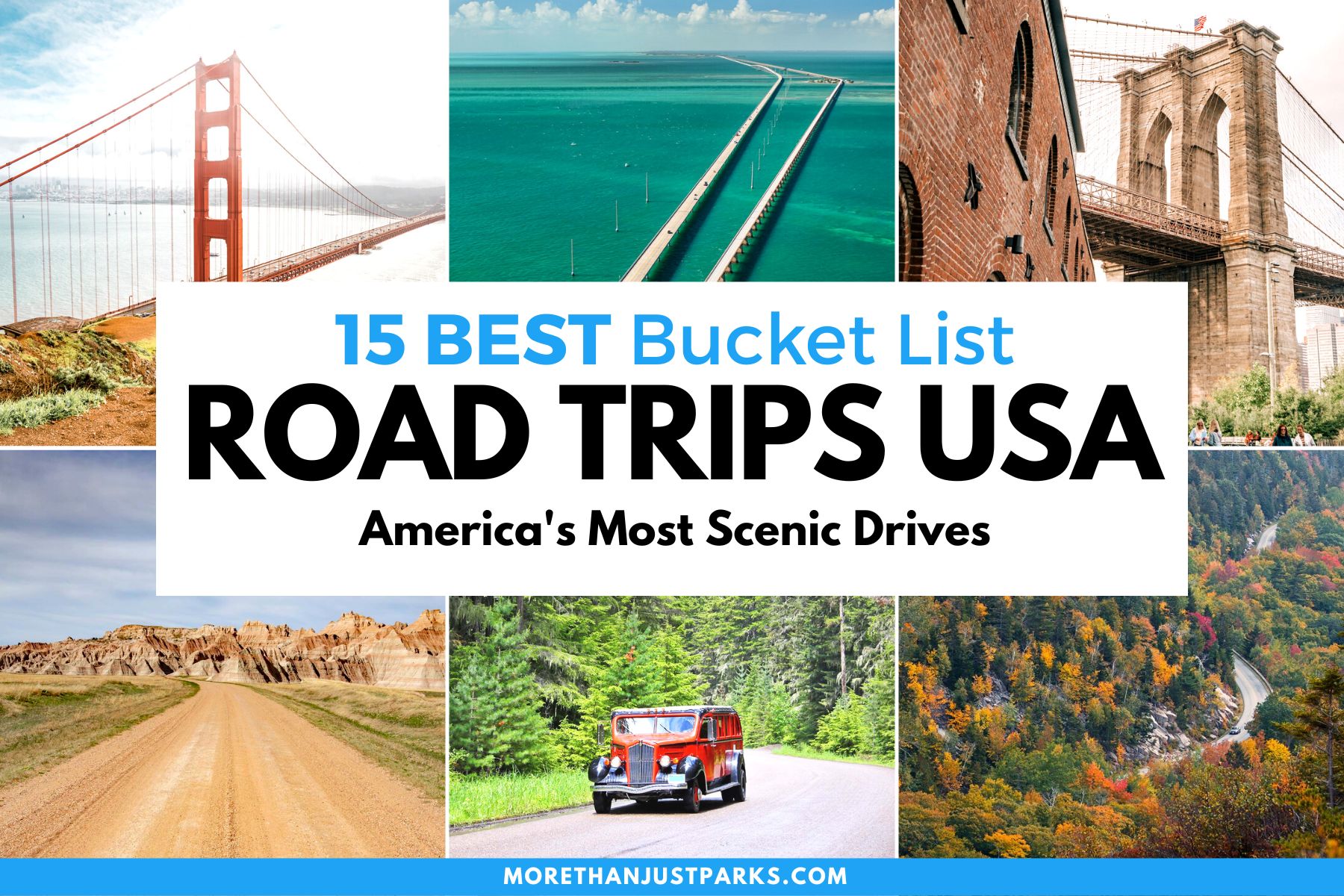
Road Trips USA Trip Ideas Your Ultimate Guide
Road Trips USA Trip Ideas: Get ready to hit the open road! This guide is your passport to unforgettable American adventures, packed with diverse cross-country routes, themed itineraries exploring US culture and history, and practical tips for planning the perfect trip. We’ll cover everything from budgeting, packing, safety, and capturing those epic road trip photos. Whether you crave scenic byways or historical landmarks, this guide covers you.
From Ms’iihig know road ke nurehhlighting iconic Citi know road ke nurses and hidden gems. Discover themed trips focused on music, food, or history, delving into the rich tapestry of American culture. Learn how to create a realistic budget, find affordable accommodations, and pack smart for a smooth journey. Plus, we’ll equip you with essential safety tips and photography advice to make your memories last a lifetime.
Best Road Trip Routes Across the USA

Source: ourescapeclause.com
Planning a cross-country road trip is an exciting prospect, offering a chance to explore the incredible diversity of the United States. Choosing the right route is key to maximizing your experience, and balancing driving time with the sights you want to see. This section Artikels five diverse routes, each offering a unique perspective on America’s landscapes and culture.
Five Diverse Cross-Country Road Trip Routes
Below is a table summarizing five distinct cross-country routes, detailing the states traversed, major cities visited, and an estimated driving time. These estimates are based on average speeds and exclude stops for sightseeing, meals, or overnight stays. Remember to always check current road conditions and plan for potential delays.
| Route Name | States | Major Cities | Estimated Driving Time |
|---|---|---|---|
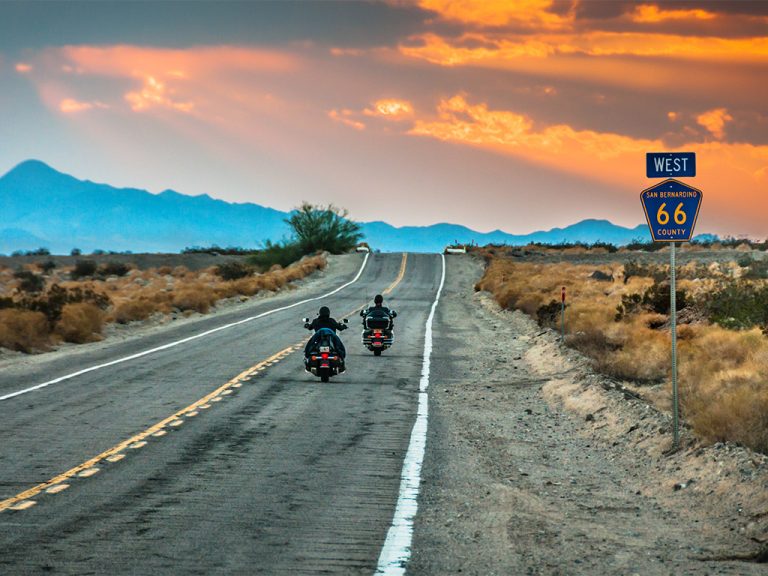
| Classic Route 66 | Illinois, Missouri, Kansas, Oklahoma, Texas, New Mexico, Arizona, California | Chicago, St. Louis, Oklahoma City, Amarillo, Albuquerque, Flagstaff, Los Angeles | Approximately 3-4 weeks (depending on detours and stops) |
| Southern Charm Route | Florida, Georgia, Alabama, Mississippi, Louisiana, Texas | Miami, Atlanta, New Orleans, Houston, San Antonio | Approximately 2 weeks |
| Pacific Coast Highway | California, Oregon, Washington | Los Angeles, San Francisco, Seattle | Approximately 1-2 weeks (depending on how far north you go) |
| National Parks Adventure | Utah, Arizona, Nevada, California | Las Vegas, Moab, Salt Lake City, Yosemite Valley | Approximately 2-3 weeks (depending on park exploration) |
| Historic East Coast Route | Maine, New Hampshire, Massachusetts, Rhode Island, Connecticut, New York, New Jersey, Pennsylvania, Maryland, Virginia, North Carolina, South Carolina, Georgia, Florida | Portland, Boston, New York City, Philadelphia, Washington D.C., Charleston, Miami | Approximately 3-4 weeks (depending on detours and stops) |
Map Illustrating the Routes and Geographical Features
Imagine a map of the continental United States. The Classic Route 66 snakes across the heartland, traversing diverse plains, deserts, and mountains. The Southern Charm Route hugs the Gulf Coast, showcasing lush swamps and vibrant coastal cities. The Pacific Coast Highway follows the dramatic coastline of the west, offering stunning ocean views and redwood forests. The National Parks Adventure route centers on the arid landscapes of the Southwest, with its iconic canyons, mesas, and deserts. Finally, the Historic East Coast Route winds along the Atlantic seaboard, passing through historic cities and varied coastal regions. Each route reveals a distinct geographical tapestry.
Scenic Byways
Three scenic byways that could be incorporated into these routes are:
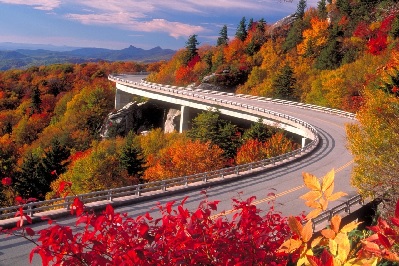
The Blue Ridge Parkway (Virginia and North Carolina): This parkway offers breathtaking mountain vistas, lush forests, and charming small towns. It’s suitable for most vehicles, but some sections have winding roads.
Million Dollar Highway (Colorado): This high-altitude route boasts spectacular views of mountain ranges and deep canyons. It’s recommended for experienced drivers and vehicles with good handling capabilities, as it features steep drop-offs and narrow sections.
Highway 1 (California): This iconic coastal highway provides stunning ocean views, dramatic cliffs, and charming seaside towns. It is generally suitable for most vehicles, but some sections can be winding and narrow.
Thematic Road Trips: Road Trips USA Trip Ideas

Source: ourescapeclause.com
Embark on a journey through the heart of America, exploring its rich tapestry of culture and history through three uniquely themed road trips. Each route offers a distinct perspective on the nation’s identity, highlighting its musical heritage, culinary traditions, and pivotal historical moments. These itineraries are designed to immerse you in the American experience, offering a blend of iconic landmarks and hidden gems.
The Blues Highway: A Musical Journey Through the American South
This road trip traces the evolution of blues music, from its origins in the Mississippi Delta to its widespread influence across the American South. The route focuses on key cities and towns that played a pivotal role in shaping this genre.
The following itinerary provides a suggested route, focusing on key locations and experiences related to blues music:
- Memphis, Tennessee: Visit Graceland, the home of Elvis Presley, and the Stax Museum of American Soul Music, showcasing the city’s significant contribution to both rock and soul music, heavily influenced by the blues.
- Clarksdale, Mississippi: Explore the Delta Blues Museum, showcasing the history and impact of the Delta Blues. Visit the Crossroads, the legendary intersection where Robert Johnson is said to have made a deal with the devil for his musical talent.
- New Orleans, Louisiana: Experience the vibrant music scene on Frenchmen Street, known for its numerous blues clubs and live music venues. Visit Preservation Hall, a historic venue showcasing traditional New Orleans jazz, which also has strong roots in blues.
Historical Significance of Key Locations: The Blues Highway
Three locations along this route hold particular historical significance:
- The Crossroads, Clarksdale, Mississippi: This intersection holds legendary status in blues lore, representing the mythical meeting place where Robert Johnson is said to have made a pact with the devil in exchange for his extraordinary musical abilities. While the story is likely apocryphal, it reflects the mystical and often challenging circumstances surrounding the early development of blues music in the Mississippi Delta.
- Stax Records, Memphis, Tennessee: Stax Records played a crucial role in shaping the sound of soul music, a genre deeply rooted in blues. Artists like Otis Redding, Sam & Dave, and Booker T. & the M.G. recorded at Stax, influencing generations of musicians. The building itself stands as a testament to the creative energy and musical innovation of the era.
- Preservation Hall, New Orleans, Louisiana: Preservation Hall, founded in 1961, has been instrumental in preserving traditional New Orleans jazz, a genre that evolved from the blues and other musical traditions. Its commitment to showcasing authentic music has helped to keep these musical styles alive and accessible to new audiences.
The Culinary Trail: A Taste of America’s Regional Flavors
This road trip explores the diverse culinary landscape of the United States, focusing on regional specialties and local ingredients. The route showcases the rich tapestry of American food culture, from classic comfort food to innovative contemporary cuisine.
This itinerary highlights a selection of locations and culinary experiences:
- Charleston, South Carolina: Indulge in Lowcountry cuisine, characterized by fresh seafood, shrimp and grits, and she-crab soup. Explore the historic Charleston City Market for local produce and artisan goods.
- Austin, Texas: Experience the vibrant food truck scene and savor authentic Texas barbecue. Visit local breweries and sample craft beers paired with delicious Texan fare.
- Portland, Oregon: Explore the city’s renowned food cart pods and sample diverse cuisines, from gourmet burgers to Vietnamese pho. Visit farmers’ markets for fresh, locally sourced ingredients.
The Freedom Trail: A Journey Through American History
This road trip follows the path of significant historical events, from the American Revolution to the Civil Rights Movement. The route explores landmarks and museums that offer insights into pivotal moments in American history and the nation’s ongoing struggle for freedom and equality.
This itinerary highlights some key locations and historical sites:
- Boston, Massachusetts: Walk the Freedom Trail, visiting historic sites such as Paul Revere’s House, the Old North Church, and the Boston Tea Party Ships & Museum. Explore the city’s rich colonial history and its role in the American Revolution.
- Washington, D.C.: Visit the National Mall, exploring monuments and museums dedicated to American history, including the Lincoln Memorial, the Washington Monument, and the National Museum of African American History and Culture.
- Montgomery, Alabama: Explore sites related to the Civil Rights Movement, such as the Rosa Parks Museum and the Dexter Avenue King Memorial Baptist Church, where Martin Luther King Jr. once served as pastor.
Comparing the Thematic Road Trips
The Blues Highway, the Culinary Trail, and the Freedom Trail offer distinct experiences, each focusing on a unique aspect of American culture. The Blues Highway provides an immersive musical journey, showcasing the evolution of a genre that reflects the struggles and triumphs of the American South. The Culinary Trail celebrates the nation’s diverse culinary heritage, offering a delicious exploration of regional flavors and local ingredients. The Freedom Trail delves into American history, tracing the path of pivotal events and offering a deeper understanding of the nation’s past and its ongoing journey toward freedom and equality. Each trip offers a unique and rewarding experience for travelers interested in exploring different facets of the American identity.
Budgeting and Planning a US Road Trip

Source: indianeagle.com
Planning a US road trip is exciting, but careful budgeting and planning are crucial for a smooth and enjoyable journey. Failing to account for expenses can quickly derail your adventure. This section provides practical advice and examples to help you prepare financially and logistically.
Sample Budget for a Two-Week Southwest Road Trip
This budget example covers a two-week road trip through the Southwest, encompassing states like Arizona, New Mexico, and Utah. Remember, these are estimates, and your actual costs may vary depending on your travel style and choices.
| Category | Estimated Cost | Breakdown | Tips for Saving Money |
|---|---|---|---|
| Gas | $500 | Assuming an average fuel efficiency of 25 mpg and gas prices around $3.50/gallon, for approximately 2,000 miles of driving. | Consider driving less and strategically plan your route to minimize mileage. Look for gas stations outside of tourist areas for potentially lower prices. |
| Accommodation | $1400 | $100/night average, split between budget motels and camping (see below for details). | Camping is the most budget-friendly option. Consider utilizing free camping options where available. |
| Food | $700 | $50/day for groceries and occasional restaurant meals. | Grocery shop for most of your meals. Pack snacks and drinks to avoid impulse purchases. Cook your meals whenever possible. Utilize picnic areas at National Parks. |
| Activities & Entrance Fees | $600 | Entrance fees to National Parks, museums, and other attractions. | Purchase an “America the Beautiful” pass if you plan to visit multiple National Parks. Look for free activities like hiking and exploring smaller towns. |
| Miscellaneous | $200 | Souvenirs, unexpected expenses, etc. | Set a daily spending limit for miscellaneous items. Track your spending carefully. |
| Total Estimated Cost | $3400 |
Affordable Accommodation Strategies
Finding affordable accommodation is key to keeping your road trip budget manageable. Here are five common strategies, with their advantages and drawbacks:
Choosing the right accommodation depends on your priorities and travel style. Consider factors such as comfort level, desired amenities, and proximity to your planned activities when making your decision.
- Camping: Pros: Extremely budget-friendly, offers a connection with nature. Cons: Requires camping gear, can be uncomfortable in inclement weather, may not be suitable for everyone.
- Budget Motels: Pros: Affordable, readily available across the country. Cons: Can lack amenities, may not always be clean or well-maintained.
- Airbnb: Pros: Offers a wider range of options, often includes kitchen facilities, and provides a more local experience. Cons: Can be more expensive than motels, and availability can vary.
- Hostels: Pros: Very budget-friendly, the opportunity to meet other travelers. Cons: Shared rooms and bathrooms, may not offer much privacy.
- Couchsurfing: Pros: Free accommodation, cultural exchange. Cons: Requires trust and careful vetting of hosts, may not be suitable for all travelers.
Creating a Detailed Itinerary
A well-structured itinerary is essential for a smooth road trip. It should include daily driving distances, planned activities, and contingency plans. For example, a day in Zion National Park could involve a morning hike to Angels Landing (permit required, book in advance!), an afternoon exploring the Emerald Pools, and an evening enjoying the sunset from Canyon Junction Bridge. However, if Angels Landing permits are unavailable or the weather turns bad, a backup plan could involve exploring the Pa’rus Trail or visiting the Zion Human History Museum.
Remember to account for unexpected delays, such as traffic, road closures, or vehicle issues. Building flexibility into your itinerary is crucial for avoiding stress and maximizing enjoyment.
Consider using a spreadsheet or a travel planning app to organize your itinerary. Include details like driving times, activity durations, and estimated costs for each day. This will help you stay on track and manage your time effectively.
Essential Packing List & Road Trip Safety

Source: bigworldsmallpockets.com
Embarking on a US road trip is an exciting adventure, but proper planning and preparation are crucial for a smooth and safe journey. This section covers essential packing and vital safety considerations to ensure your trip is enjoyable and incident-free. We’ll cover what to pack, potential hazards, and important vehicle maintenance checks.
Essential Packing List
A well-organized packing list is key to a stress-free road trip. Categorizing items into essentials, comfort items, and optional extras helps ensure you have everything you need without overpacking.
- Essentials: Driver’s license, vehicle registration, insurance information, credit cards, cash, emergency contact list, medications (with prescriptions), first-aid kit, phone and charger, maps (or GPS device with offline maps), basic tools (wrench, pliers, jumper cables).
- Comfort Items: Comfortable clothes suitable for varying weather conditions, sturdy walking shoes, sunglasses, hats, sunscreen, insect repellent, toiletries, snacks and water bottles, entertainment (books, audiobooks, podcasts), pillows, and blankets.
- Optional Items: Camera and extra batteries, cooler, portable charger, travel games, binoculars, guidebooks, national park passes, camping gear (if applicable).
Potential Road Trip Safety Hazards and Preventative Measures, Road tripsUSAa trip ideas
Road trips, while exhilarating, present various safety risks. Understanding these hazards and taking preventative steps is paramount.
- Tire blowouts: Regularly check tire pressure and tread depth before and during your trip. Carry a spare tire, jack, and lug wrench. Consider purchasing tire sealant as an additional precaution. A visual inspection before you leave, and a stop at a gas station along the way, to check tire pressure, will help prevent this.
- Vehicle breakdowns: Perform routine vehicle maintenance before your trip (detailed below). Keep an emergency kit in your car including jumper cables, a flashlight, and basic tools. Consider roadside assistance membership for added peace of mind. Many AAA members have experienced the benefits of this service during unexpected breakdowns.
- Accidents: Drive defensively, obey traffic laws, avoid distractions (cell phones, eating, etc.), and be aware of your surroundings. Maintain a safe following distance, and ensure all passengers wear seatbelts. A recent study showed that driver distraction was a major cause of accidents on US highways.
- Wildlife encounters: Be especially vigilant at dawn and dusk when animals are most active. Reduce your speed in areas known for wildlife. Never approach or attempt to feed wild animals. Many drivers have reported near misses with deer, especially in rural areas.
- Extreme weather: Monitor weather forecasts before and during your trip. Be prepared for sudden changes in conditions. Carry appropriate clothing and supplies, and consider delaying your trip if severe weather is anticipated. For example, severe snowstorms in the Rockies can significantly delay travel.
Essential Vehicle Maintenance Before a Long Road Trip
Proactive vehicle maintenance significantly reduces the risk of breakdowns and ensures a safer journey. Before embarking on a long road trip, it’s crucial to conduct several essential checks.
- Fluid levels: Check engine oil, coolant, brake fluid, power steering fluid, and windshield washer fluid. Top off as needed. Low fluid levels can lead to serious engine problems or brake failure.
- Tire pressure and condition: Inflate tires to the recommended pressure (found in your owner’s manual or on the driver’s side doorjamb). Inspect tires for wear and tear, cuts, or bulges. Replace worn tires before your trip. Underinflated tires reduce fuel efficiency and increase the risk of blowouts.
- Lights and signals: Ensure all headlights, taillights, brake lights, turn signals, and hazard lights are functioning correctly. Faulty lights can compromise visibility and safety.
- Brakes: Check brake pads and rotors for wear. Have your brakes inspected by a mechanic if you notice any unusual noises or feel a spongy brake pedal. Brake failure is a serious safety concern.
- Battery: Have your battery tested to ensure it’s holding a charge. A weak battery can leave you stranded. Consider replacing the battery if it’s nearing the end of its lifespan. A dead battery can be a major inconvenience, especially in remote areas.
Road Trip Photography & Storytelling

Source: ourescapeclause.com
Capturing the essence of a road trip goes beyond simply taking snapshots; it’s about creating a visual narrative that evokes the emotions and experiences of the journey. This involves careful consideration of composition, lighting, and storytelling techniques to create images that are not only aesthetically pleasing but also deeply meaningful. By thoughtfully documenting your trip, you’ll craft a lasting memory that you can revisit and share for years to come.
Tips for Stunning Road Trip Photographs
To elevate your road trip photography, focus on these key elements: Composition, lighting, and storytelling are crucial for creating captivating images that truly capture the spirit of your adventure. Remember, a well-composed photo can transform a simple roadside scene into a breathtaking masterpiece.
- Rule of Thirds: Instead of centering your subject, place it at one of the four intersection points created by dividing your frame into thirds both horizontally and vertically. This creates a more balanced and visually appealing composition.
- Leading Lines: Use natural lines like roads, rivers, or fences to draw the viewer’s eye into the photograph and toward your main subject. This technique adds depth and visual interest.
- Golden Hour Lighting: The hour after sunrise and the hour before sunset offer the most flattering light, creating warm, soft tones that enhance the beauty of your landscapes and subjects. Avoid harsh midday sun.
- Tell a Story: Don’t just photograph landmarks; capture the details that tell the story of your journey – a quirky roadside diner, a weathered sign, a child’s laughter. These smaller moments often hold the most significant memories.
- Variety of Shots: Mix wide shots to capture the grandeur of landscapes with close-up details to showcase textures and unique features. This creates visual variety and a more dynamic narrative.
Methods for Creating a Compelling Visual Narrative
Organizing and presenting your photos effectively is crucial for crafting a compelling visual story. Consider these approaches:
- Chronological Order: This simple method showcases the journey’s progression, highlighting the evolution of the landscape and your experiences. You could start with departure photos, move through scenic highlights, and conclude with arrival shots.
- Thematic Approach: Organize photos around specific themes, such as “Desert Landscapes,” “Historic Route 66,” or “Culinary Delights.” This approach provides focus and allows you to explore specific aspects of your trip in detail.
- Photo Album/Book: Create a physical or digital photo album or book, adding captions and short descriptions to each image. This adds context and allows you to share your emotions and experiences more effectively. Consider using a software program specifically designed for photo book creation.
Evocative Descriptions for Road Trip Photos
Words can significantly enhance the impact of your photographs. Here are some examples of evocative descriptions:
- Image: A vast, sun-drenched desert landscape. Description: “The endless expanse of the Mojave Desert shimmered under the relentless sun, the heat radiating off the parched earth. The silence was broken only by the whisper of the wind across the dunes.”
- Image: A bustling roadside diner at sunset. Description: “The neon glow of the diner sign cast a warm, inviting light on the weary travelers inside. The air hummed with the low murmur of conversation and the clinking of cutlery, a comforting soundtrack to the end of a long day on the road.”
- Image: A winding mountain road with stunning views. Description: “The road snaked its way through the towering peaks, each curve revealing a breathtaking panorama of rolling hills and valleys bathed in the golden light of the setting sun. The air was crisp and clean, carrying the scent of pine and damp earth.”
Closing Summary

Source: sillyamerica.com
Planning a US road trip is an exciting adventure, and with the right preparation, it can be an incredibly rewarding experience. This guide has provided you with the tools and inspiration to craft your dream journey, from choosing the perfect route and creating a detailed itinerary to mastering the art of road trip photography. Remember to prioritize safety, embrace the unexpected, and most importantly, enjoy the journey! So, pack your bags, fuel up your vehicle, and get ready for the road trip of a lifetime.