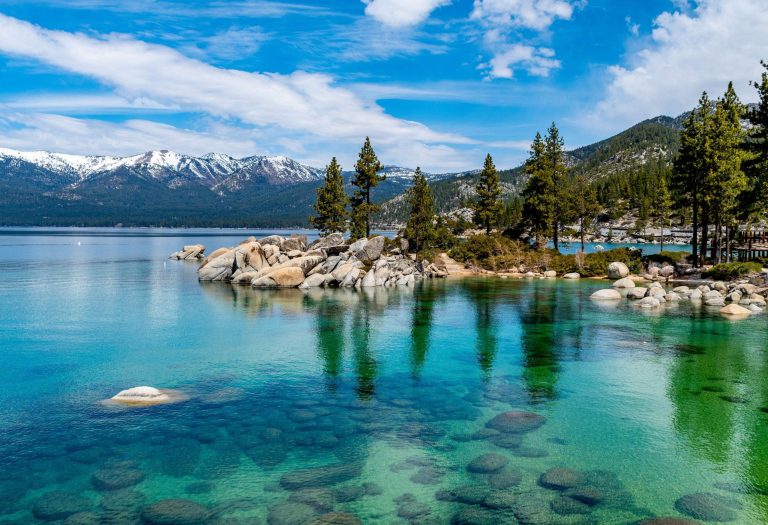
Popular Hiking Trails in the US A Guide
Popular hiking trails in the US offer a diverse range of experiences, from gentle strolls through forests to challenging climbs up majestic mountains. This guide explores the best trails across the country, considering factors like difficulty, length, accessibility, and scenic beauty. We’ll delve into the geographical distribution of these trails, highlighting the unique features of each region and offering tips for planning your next adventure. Whether you’re a seasoned hiker or a beginner, you’ll find valuable information to help you discover the perfect trail.
From the rugged peaks of the Rockies to the lush forests of the Pacific Northwest, the US boasts a breathtaking array of hiking opportunities. This guide breaks down the key considerations for choosing a trail, including assessing difficulty levels, estimating hiking times, and understanding the importance of safety and Leave No Trace principles. We’ll also look at popular trail locations, crowd levels, and strategies for avoiding overcrowding, ensuring you have a memorable and enjoyable experience.
Geographic Distribution of Popular Hiking Trails

Source: usatoday.com
The United States boasts a vast and diverse landscape, resulting in a wide distribution of popular hiking trails. Factors like elevation changes, scenic views, and accessibility contribute significantly to a trail’s popularity. Analyzing the geographic concentration of these trails reveals some clear hotspots for outdoor enthusiasts.
Identifying the top five states with the highest concentration of popular hiking trails requires considering factors beyond sheer number. We’ll focus on states with a diverse range of trails catering to various skill levels and offering unique geographical experiences. This means considering both the quantity and quality of trails, alongside the variety of landscapes they traverse.
Top Five States for Hiking
Based on a combination of trail numbers, diversity of terrain, and overall popularity, the following five states consistently rank among the best for hiking in the US.
| State | Number of Trails (Estimate) | Average Difficulty | Notable Trail Examples |
|---|---|---|---|
| California | Thousands (wide range depending on definition) | Moderate to Strenuous (variable) | John Muir Trail, Yosemite Valley trails, Pacific Crest Trail (sections) |
| Colorado | Hundreds (a significant number of well-maintained trails) | Moderate to Strenuous | Mount Bierstadt Trail, Maroon Bells Scenic Loop, Hanging Lake Trail |
| Washington | Hundreds (many in National Parks and Forests) | Moderate to Strenuous | Mount Rainier National Park trails, Skyline Trail (Mount Rainier), Dog Mountain Trail |
| Oregon | Hundreds (a diverse range of trails) | Moderate to Strenuous | Multnomah Falls Trail, Timberline Trail (Mount Hood), Eagle Creek Trail |
| New Hampshire | Hundreds (many in the White Mountains) | Moderate to Strenuous | Mount Washington Auto Road Trail, Mount Chocorua Trail, Appalachian Trail (sections) |
Geographical Features and Trail Popularity, Popular hiking trails in the us
The popularity of hiking trails in these states is directly linked to their unique geographical features. The varied landscapes offer diverse experiences for hikers of all levels.
California‘s diverse geography, encompassing towering mountains like the Sierra Nevada, expansive redwood forests, and dramatic coastlines, provides a wide array of trail experiences. The Sierra Nevada’s high elevation and challenging terrain attract experienced hikers, while coastal trails offer more moderate options. Colorado‘s Rocky Mountains offer stunning alpine scenery, challenging climbs, and breathtaking views. The state’s high altitude and dramatic peaks attract hikers seeking a strenuous but rewarding experience. Washington‘s Cascade Range, similar to Colorado’s Rockies, provides challenging mountain trails, lush forests, and volcanic landscapes. Oregon, with its Cascade Mountains and coastal ranges, offers a similar diversity of trails, including those through old-growth forests and along dramatic coastlines. New Hampshire‘s White Mountains offer a more concentrated area of challenging trails, particularly known for their rugged terrain and stunning views. The Appalachian Trail, traversing several states, adds to the region’s appeal.
Trail Difficulty and Accessibility

Source: usatoday.com
Choosing the right hiking trail depends heavily on your fitness level and experience. Understanding trail difficulty and accessibility ensures a safe and enjoyable adventure for everyone. This section categorizes popular trails by difficulty and examines accessibility features for diverse user groups.
Trail Difficulty Levels and Examples
Hiking trails are generally categorized into three difficulty levels: easy, moderate, and strenuous. The classification considers factors like elevation gain, trail length, terrain type, and overall exertion required.
Easy Trails: These trails typically feature gentle slopes, well-maintained paths, and minimal elevation changes. They are suitable for beginners, families with young children, and individuals with limited physical abilities. Examples include sections of the paved trails in Central Park, New York City, or the paved portions of the C&O Canal Towpath in Maryland.
Moderate Trails: Moderate trails present some challenges, including moderate elevation gain, slightly uneven terrain, and potentially longer distances. Hikers should have a reasonable level of fitness and experience. Examples include portions of the Appalachian Trail in less mountainous sections or many trails in state parks offering scenic views without extreme climbs.
Strenuous Trails: These trails demand a high level of physical fitness and experience. They often involve significant elevation gain, steep inclines, rugged terrain, and potentially long distances. Hikers should be prepared for challenging conditions and be equipped with appropriate gear. Examples include sections of the John Muir Trail in California or challenging climbs in areas like the Rocky Mountains.
Accessibility Features for Different User Groups
Trail accessibility is crucial for ensuring inclusive outdoor recreation. The following table compares accessibility features for different user groups:
| User Group | Accessibility Features | Example Trails (Note: Accessibility varies by section; check specific trail information before visiting) |
|---|---|---|
| Wheelchair Users | Paved surfaces, gentle slopes, wide trails, accessible restrooms, parking | Boardwalks in some national parks (check specific park information), paved sections of rail trails |
| Families with Young Children | Short distances, gentle slopes, well-maintained trails, scenic viewpoints, opportunities for rest stops | Nature trails in many state parks, easy loops around lakes |
| Hikers with Mobility Issues | Well-maintained trails, minimal elevation gain, benches or resting areas along the trail, accessible parking | Many urban parks with paved paths, sand, or shorter trails in national forests (check specific trail information) |
| Hikers with Visual Impairments | Marked trails, audible cues, descriptive trail guides | Trails with well-maintained signage, some trails with audio guides (check specific trail information) |
Factors Influencing Trail Difficulty
Several factors contribute to a trail’s difficulty rating. Understanding these factors allows hikers to make informed choices and prepare adequately.
Elevation Gain: The amount of vertical ascent and descent significantly impacts trail difficulty. Steeper inclines require more physical effort and can be challenging for less experienced hikers. A trail with a large elevation gain over a short distance will be more strenuous than one with the same total gain spread over a longer distance.
Trail Length: Longer trails naturally require more endurance and stamina. Even a relatively flat trail can be strenuous if it’s exceptionally long.
Terrain: The type of terrain significantly influences trail difficulty. Rocky, uneven, or steep terrain requires more care, balance, and physical exertion than smooth, well-maintained paths. Loose gravel, mud, or snow can also add to the challenge.
Trail Length and Duration

Source: usatoday.com
Planning a hike requires understanding how much time you’ll need. Trail length and duration are closely linked, but many factors influence the time it takes to complete a hike. This section breaks down popular trails by estimated completion time and explores the elements that affect overall hiking duration.
Knowing the approximate time commitment is crucial for planning logistics like transportation, packing appropriate supplies, and ensuring you have enough daylight hours to safely return. Overestimating is always better than underestimating when it comes to hiking.
Trail Completion Time Categories and Examples
This section categorizes popular US hiking trails based on their typical completion times. These are estimates and can vary based on individual fitness levels, pace, and trail conditions.
- Under 2 Hours: These are generally shorter, easier trails, perfect for a quick afternoon adventure. Examples include the short loop trails found in many city parks, like the easy sections of the Redwood National Park’s paved trails (though many Redwood trails extend far beyond this timeframe). These shorter trails often focus on accessibility and scenic overlooks rather than extensive distance.
- 2-4 Hours: This category encompasses a wider range of trails, from moderately challenging to more strenuous options depending on elevation gain and terrain. Examples include sections of the Appalachian Trail in less mountainous areas (though many sections easily exceed 4 hours) or popular trails in state parks like those found in many California State Parks, offering a good balance of challenge and scenic beauty.
- Over 4 Hours: These trails typically involve significant distance, elevation changes, or challenging terrain. They demand better physical fitness and preparation. Examples include longer sections of the Pacific Crest Trail or the John Muir Trail, requiring considerable planning and potentially overnight stays.
Average Trail Lengths by Time Category
It’s difficult to give precise average lengths because trail characteristics vary significantly. However, we can offer general estimations:
- Under 2 Hours: Typically less than 2 miles (3.2 km).
- 2-4 Hours: Usually between 2 and 6 miles (3.2 and 9.7 km), but can extend further depending on terrain and elevation.
- Over 4 Hours: Often exceeding 6 miles (9.7 km), sometimes reaching tens of miles, particularly for multi-day backpacking trips.
Factors Affecting Trail Length and Duration
Several factors interact to determine how long a hike takes. Understanding these helps in accurate planning and safe trail navigation.
- Trail Length (Distance): This is the most obvious factor. Longer trails naturally take longer to complete.
- Elevation Gain: Hiking uphill significantly increases the time and effort required. Steep ascents can drastically slow your pace.
- Terrain: Rocky, uneven, or muddy trails are more time-consuming and physically demanding than smooth, well-maintained paths. Consider whether the trail is primarily flat, has many switchbacks, or has significant elevation changes.
- Personal Fitness Level and Pace: Individual fitness levels greatly impact hiking speed. A slower pace extends the overall duration.
- Rest Stops and Breaks: Planned breaks for water, snacks, and photos add to the total time.
- Weather Conditions: Extreme heat, cold, rain, or snow can significantly slow progress and increase the overall hiking time.
- Trail Conditions: Trail closures, obstacles, or unexpected hazards can add unexpected delays.
Scenic Views and Natural Features

Source: worldatlas.com
Hiking trails across the US offer a breathtaking diversity of landscapes, from towering mountain ranges to serene coastal shores and lush forests. The beauty of these trails isn’t just in the distance covered but in the stunning views and unique natural features encountered along the way. Understanding these features enhances the hiking experience and provides a deeper appreciation for the natural world.
Exploring the diverse flora and fauna found along these trails reveals the intricate ecosystems they support. From the delicate wildflowers clinging to rocky outcrops to the majestic wildlife roaming freely, each trail offers a unique glimpse into the region’s biodiversity. The geological formations visible on many trails also tell stories of millions of years of Earth’s history, shaping the landscapes we see today.
Mountain Vistas
Many popular trails offer panoramic mountain vistas, showcasing the grandeur of America’s varied mountain ranges. The Appalachian Trail, for example, offers stunning views from its high-elevation passes, revealing rolling hills and valleys stretching to the horizon. Similarly, trails in the Rocky Mountains provide breathtaking perspectives of jagged peaks, alpine meadows, and deep canyons. The flora in these high-altitude regions is often sparse but hardy, including species like alpine wildflowers and resilient conifers. Wildlife sightings can include bighorn sheep, marmots, and various bird species adapted to the harsh climate. The geological formations in these areas, often formed by tectonic uplift and glacial activity, showcase evidence of powerful geological processes.
Waterfalls and Rivers
Trails leading to waterfalls and alongside rivers offer a different kind of scenic beauty. The power and sound of cascading water create a dramatic and awe-inspiring experience. The iconic Yosemite Falls in Yosemite National Park is a prime example, with its multi-tiered cascades drawing hikers from around the world. The lush vegetation surrounding these water features often thrives on the abundant moisture, resulting in vibrant forests and diverse plant life. The ecological significance of these areas is considerable, as they provide habitat for numerous aquatic and riparian species. The geological history of these areas is often evident in the rock formations that shape the waterfalls and riverbeds, showing evidence of erosion and deposition over time.
Coastal Scenery
Coastal hiking trails provide a unique perspective, offering stunning views of the ocean, dramatic cliffs, and sandy beaches. The Pacific Crest Trail, for example, follows a portion of the California coastline, showcasing rugged cliffs, hidden coves, and panoramic ocean views. The flora along these trails is often characterized by drought-resistant shrubs and coastal redwood forests, while the fauna includes diverse birdlife, marine mammals, and intertidal creatures. The geological formations along these coastlines are often dramatic, shaped by the constant action of waves and tides, showcasing the power of coastal erosion and the dynamic nature of these environments.
Desert Landscapes
Some trails traverse arid desert landscapes, offering a unique beauty characterized by stark contrasts and unique adaptations. Trails in the Sonoran Desert, for example, feature dramatic saguaro cacti, diverse desert wildflowers (depending on the season), and unique desert animals like Gila monsters and roadrunners. The geological formations found in desert regions often reveal ancient sedimentary layers and evidence of past climates. The ecological significance of these areas lies in their remarkable biodiversity and the specialized adaptations of the organisms that call them home. The unique geological history of these areas is often evident in the distinctive rock formations and landforms.
Safety and Trail Maintenance: Popular Hiking Trails In The Us

Source: themoderndayadventurer.com
Hiking in the US offers incredible experiences, but safety and responsible trail use are paramount. Popular trails often see high volumes of hikers, leading to potential hazards and environmental impact. Understanding these risks and practicing responsible behavior ensures a safe and enjoyable experience for everyone.
Popular trails present various safety concerns. These range from simple issues like getting lost or suffering minor injuries to more serious risks like encountering wildlife, experiencing severe weather, or facing emergencies requiring rescue.
Common Hiking Safety Concerns and Risk Mitigation
Many safety issues stem from inadequate preparation and planning. Hikers should always check weather forecasts before embarking on a hike, inform someone of their plans, including the trail’s name and estimated return time, and carry essential gear such as a map, compass or GPS device, first-aid kit, plenty of water, high-energy snacks, and appropriate clothing for changing weather conditions. Staying on marked trails minimizes the risk of getting lost. Being aware of your surroundings and potential hazards like wildlife encounters (bears, mountain lions, snakes) is crucial. Carrying bear spray in bear country and knowing how to use it properly is a good safety measure. Finally, hikers should be aware of their physical limitations and choose trails that match their fitness level and experience.
Organizations Responsible for Trail Maintenance and Preservation
Numerous organizations and agencies play vital roles in maintaining and preserving US hiking trails. The National Park Service (NPS) manages trails within national parks, providing upkeep, safety measures, and visitor information. The US Forest Service (USFS) maintains trails in national forests, offering similar services. State and local park agencies also manage trails within their jurisdictions. Furthermore, volunteer organizations like the Appalachian Trail Conservancy (ATC) and the Pacific Crest Trail Association (PCTA) contribute significantly to trail maintenance and preservation through fundraising, volunteer work, and educational initiatives. These organizations work tirelessly to keep trails safe and accessible for all.
Impact of Increased Tourism on Trail Conditions and the Importance of Leave No Trace Principles
The increasing popularity of hiking has a significant impact on trail conditions. Increased foot traffic can lead to erosion, damage to vegetation, and the accumulation of litter. This necessitates ongoing maintenance efforts and highlights the critical importance of the Leave No Trace principles. These seven principles – plan and prepare, travel and camp on durable surfaces, dispose of waste properly, leave what you find, minimize campfire impacts, respect wildlife, and be considerate of other visitors – are essential for minimizing the environmental impact of hiking and ensuring the long-term sustainability of trails. Following these principles ensures that future generations can also enjoy these natural spaces. Examples of the impact of increased tourism include the widening of trails beyond their original width due to erosion, damage to sensitive vegetation, and the accumulation of trash along popular sections of trails. Following Leave No Trace principles helps mitigate these issues and preserves the natural beauty of these areas.
Popularity and Crowds

Source: outdoors.com
Hiking trail popularity varies dramatically across the US, influenced by factors like scenic beauty, accessibility, and difficulty. Understanding crowd levels is crucial for planning a successful and enjoyable hike, especially on popular trails. This section will compare crowd sizes on different trails, offering strategies to minimize encounters with large groups.
Peak seasons, typically spring and fall, see a significant surge in visitors on most trails. Weekends also tend to be much busier than weekdays. The level of crowding can range from a pleasant, shared experience to a frustratingly congested one, impacting the overall hiking experience. Consideration of these factors is vital in selecting a trail and planning a trip.
Trail Popularity Comparison
The following table provides estimated visitor numbers for several popular trails, distinguishing between peak and off-peak seasons. These figures are estimates based on park service data, trailhead counters where available, and anecdotal evidence from hiking communities. Actual numbers can fluctuate depending on weather conditions and other unforeseen circumstances.
| Trail Name | Location | Peak Season Visitors (Estimated) | Off-Peak Season Visitors (Estimated) |
|---|---|---|---|
| Appalachian Trail (sections) | Various, Eastern US | High (millions across the entire trail annually) | Moderate (still significant numbers, but less congested) |
| John Muir Trail | California | High (thousands per year, concentrated in certain sections) | Low (hundreds per year, many sections nearly deserted) |
| Angels Landing (Zion National Park) | Utah | Very High (permit system in place to manage crowds) | Moderate (still popular, but less congested) |
| Half Dome (Yosemite National Park) | California | Very High (lottery system for permits) | Low (very few hikers outside of the permit season) |
| Bright Angel Trail (Grand Canyon) | Arizona | High (thousands per year) | Moderate (fewer hikers, but still busy) |
Strategies for Avoiding Overcrowding
Several strategies can significantly improve your chances of enjoying a less crowded hike. These range from choosing less popular trails to altering your hiking schedule.
Consider hiking during the off-season (winter or early summer, depending on location and weather). Weekday hikes generally have fewer people than weekend hikes. Starting early in the morning or hiking later in the day can also help you avoid the peak hours when most hikers are on the trail. Researching less popular trails in the same area is a valuable alternative. Finally, choosing trails that require permits or reservations often leads to a more controlled and less crowded experience.
Wrap-Up

Source: destinationtips.com
Exploring the popular hiking trails in the US is an incredible way to connect with nature and challenge yourself physically. Remember to always prioritize safety, respect the environment, and choose a trail that matches your skill level and experience. With careful planning and preparation, you can create unforgettable memories on these stunning trails. So pack your boots, grab your water bottle, and get ready to explore the amazing landscapes our country has to offer!