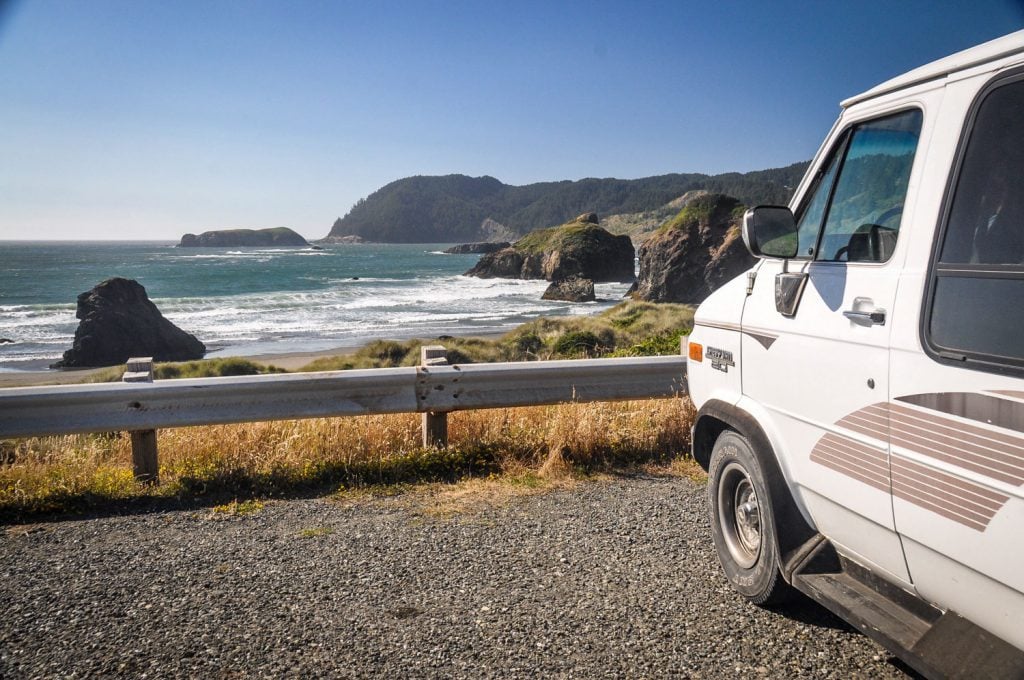
USA Road Trip Ideas Epic Adventures Await
USA Road Trip Ideas: Get ready for the adventure of a lifetime! This guide dives deep into planning the perfect American road trip, from choosing the best routes and crafting an unforgettable itinerary to budgeting effectively and ensuring a safe journey. We’ll cover everything from iconic landmarks and hidden gems to practical tips and tricks for making the most of your cross-country exploration.
Whether you’re dreaming of cruising down the Pacific Coast Highway, exploring the majestic national parks of the Southwest, or delving into the rich history of the East Coast, we’ve got you covered. We’ll help you navigate the logistics, create a budget that works for you, and offer advice on capturing those once-in-a-lifetime memories. So buckle up, and let’s hit the open road!
Best USA Road Trip Routes: USA Road Trip Ideas

Source: sillyamerica.com
Planning a cross-country road trip across the USA is an exciting adventure! This section details some of the best routes, considering factors like scenic beauty, historical significance, and diverse experiences. Remember to factor in your personal preferences and available time when choosing your ideal route.
Five Diverse Cross-Country Road Trip Routes
Choosing the right route depends on your interests and time constraints. Below is a table outlining five diverse options, each offering a unique American experience. These are estimates, and actual times and costs can vary depending on your route, driving style, and the time of year.
| Route Name | Estimated Duration | Key Landmarks | Notable Stops |
|---|---|---|---|
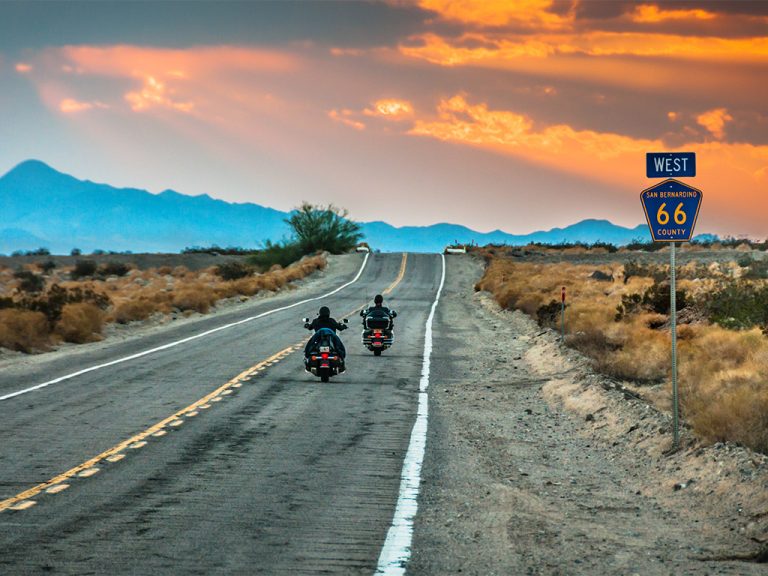
| Classic Route 66 | 2-3 weeks | Gateway Arch (St. Louis), Grand Canyon (Arizona), Hollywood Sign (Los Angeles) | Chicago, Oklahoma City, Santa Fe, Las Vegas |
| Pacific Coast Highway | 2-3 weeks | Big Sur, Yosemite National Park, Redwood National Park | San Francisco, Los Angeles, San Diego, Seattle |
| Southern Charm Route | 1-2 weeks | New Orleans French Quarter, Nashville Country Music Hall of Fame, Savannah Historic District | New Orleans, Nashville, Atlanta, Charleston |
| National Parks Road Trip | 3-4 weeks | Yellowstone National Park, Grand Teton National Park, Zion National Park | Salt Lake City, Jackson Hole, Las Vegas, Moab |
| Northeast Explorer | 1-2 weeks | Niagara Falls, Boston Harbor, Acadia National Park | New York City, Philadelphia, Boston, Portland (Maine) |
Alternative Routes Based on Specific Interests
Here are three alternative routes focusing on specific interests. These are merely suggestions; you can easily customize them to fit your preferences.
Logistical considerations, such as fuel costs and accommodation, are crucial for a smooth trip. Fuel costs vary significantly depending on location and the time of year. Budget approximately $50-$100 per day for fuel, depending on your vehicle and driving distance. Accommodation options range from budget-friendly motels to luxurious hotels; booking in advance, especially during peak season, is highly recommended.
For example, a two-week trip along Route 66 could cost between $2000 and $5000, excluding fuel, depending on accommodation choices and activities. A cross-country national parks trip could easily exceed $5000, given the often remote locations and the need for camping or more expensive lodging options.
- National Parks Route: This route focuses on exploring America’s stunning national parks. Key features include Yellowstone, Grand Teton, Yosemite, and Zion. Expect significant driving time between parks, and book accommodations well in advance, especially during peak season. This route demands more time and planning than others.
- Coastal Drive: This route emphasizes scenic coastal highways, such as the Pacific Coast Highway (Highway 1) and the Overseas Highway in Florida. Expect stunning ocean views, charming coastal towns, and opportunities for water activities. This route can be prone to traffic congestion in certain areas.
- Historical Sites Route: This route highlights significant historical locations, such as Colonial Williamsburg, Gettysburg National Military Park, and Independence Hall. It offers a deep dive into American history and culture. This route may require more time spent in museums and historical sites, adjusting driving time accordingly.
Planning Your Itinerary

Source: indianeagle.com
Planning a successful road trip hinges on a well-structured itinerary. A well-thought-out plan balances spontaneity with a framework that ensures you see the highlights and manage your time effectively. This section will guide you through creating your itinerary, packing essentials, and navigating the accommodation booking process.
Sample Southwest Two-Week Road Trip Itinerary
This itinerary focuses on exploring the stunning landscapes and unique culture of the American Southwest. It’s designed to be a suggestion, adaptable to your interests and pace. Remember to check opening times and potential seasonal closures for attractions.
Day 1-3: Las Vegas, Nevada: Arrive in Las Vegas, explore the Strip (consider a show!), and perhaps take a day trip to the Hoover Dam or Red Rock Canyon National Conservation Area for some hiking and breathtaking views. Evening activities could include exploring the diverse culinary scene.
Day 4-5: Grand Canyon National Park, Arizona: Drive to the Grand Canyon (allow ample driving time!), hike along the rim, take a mule ride down into the canyon (book well in advance!), or opt for a helicopter tour for a truly unforgettable perspective. Consider sunrise or sunset viewing for optimal lighting.
Day 6-7: Monument Valley, Utah: Continue your journey to Monument Valley Navajo Tribal Park. Take a guided tour to explore the iconic sandstone buttes, enjoy a horseback ride, or simply soak in the breathtaking scenery. Consider stargazing in this remarkably dark sky location.
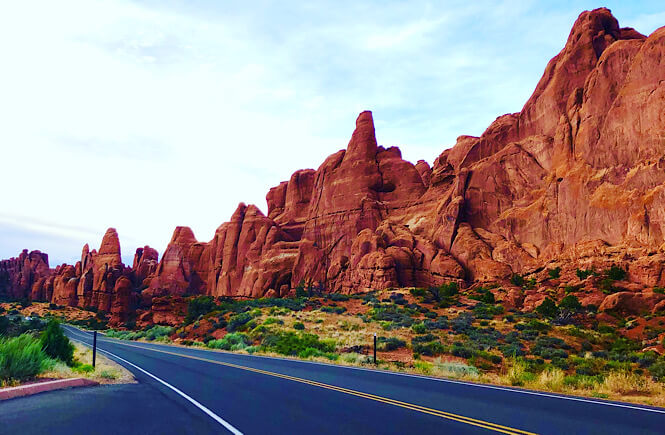
Day 8-9: Arches National Park, Utah: Drive to Arches National Park, home to over 2,000 natural sandstone arches. Hike to Delicate Arch for a classic photo opportunity, explore Balanced Rock, and marvel at the park’s unique geological formations. Remember to bring plenty of water, especially during warmer months.
Day 10-11: Canyonlands National Park, Utah: Explore the vast landscapes of Canyonlands National Park, choosing from Island in the Sky, The Needles, or The Maze districts depending on your interests and time constraints. Each district offers unique views and hiking opportunities.
Day 12-13: Antelope Canyon & Horseshoe Bend, Arizona: Visit the stunning Antelope Canyon (book a guided tour in advance!), a slot canyon with incredible light and color. Afterward, head to Horseshoe Bend for panoramic views of the Colorado River.
Day 14: Departure from Las Vegas or a nearby airport: Depart from your chosen airport.
Essential Packing Checklist
A well-organized packing list ensures you’re prepared for any eventuality. Categorizing your items by necessity helps streamline the process.
- Essentials: Driver’s license, insurance information, credit cards, cash, phone and charger, medications, first-aid kit.
- Comfort: Comfortable walking shoes, layers of clothing suitable for varying temperatures, hat, sunglasses, sunscreen, toiletries, reusable water bottle.
- Safety: Roadside emergency kit (jumper cables, flares, basic tools), flashlight, map (or downloaded maps), fully charged portable power bank.
- Vehicle: Spare tire, basic tools, check fluids before you go.
- Optional but recommended: Camera, binoculars, travel journal, books/entertainment, snacks.
Pre-Booking Accommodations Versus Spontaneous Travel
The decision of whether to pre-book accommodations or embrace spontaneous travel depends on your priorities and travel style.
Pre-booking Benefits: Secures your lodging, especially during peak season; offers peace of mind; allows for better budgeting; sometimes secures better rates.
Pre-booking Drawbacks: Less flexibility to change plans; may miss out on hidden gems; can feel restrictive.
Spontaneous Travel Benefits: More flexibility; potential to discover unexpected places; fosters a sense of adventure.
Spontaneous Travel Drawbacks: Risk of limited availability, especially in popular areas; potential for higher prices; may require more effort in finding accommodations.
Budgeting for Your Trip

Source: ourescapeclause.com
Planning a USA road trip can be an incredible adventure, but it’s crucial to understand the costs involved to ensure a smooth and enjoyable journey. Failing to budget effectively can quickly derail your trip, turning a dream vacation into a stressful financial burden. This section will break down the key cost components and offer strategies for keeping your spending under control.
Cost Components of a USA Road Trip
A typical USA road trip involves several major expense categories. To visualize this, imagine a bar chart. The longest bar would represent “Lodging,” reflecting the significant cost of hotels, motels, or campsites across multiple nights. The next longest bar would likely be “Gas,” especially if you’re covering a large distance. The “Food” bar would be noticeably shorter than lodging and gas, but still substantial, encompassing meals, snacks, and drinks. Finally, the shortest bar would represent “Activities,” though this can vary wildly depending on your chosen itinerary. Some trips prioritize national parks and museums, resulting in a higher cost for activities, while others focus on free or low-cost experiences.
Strategies for Saving Money, UsUSAoad Trip ideas
Saving money on a road trip requires planning and smart choices. For gas, consider driving more fuel-efficient vehicles, sticking to major highways (which are often better maintained and more direct), and utilizing gas apps to find the cheapest prices along your route. Driving at a consistent speed and avoiding rapid acceleration and braking also significantly improves fuel economy. To save on food, pack plenty of snacks and some easy-to-prepare meals. Take advantage of grocery stores rather than constantly eating out at restaurants. Look for deals and discounts, and consider picnics instead of expensive restaurant meals. For accommodation, explore budget-friendly options like camping, hostels, or Airbnb, which often offer lower prices than traditional hotels. Consider booking accommodations in advance, especially during peak season, to secure better rates.
Car Rental vs. Alternative Transportation
Renting a car offers the flexibility to explore at your own pace and visit remote locations. However, it comes with significant costs: rental fees, gas, insurance, and potential tolls. Alternatives like using public transportation (buses and trains) or ride-sharing services can be cheaper for shorter trips, especially in urban areas with well-developed public transit systems. However, public transportation can be less flexible and may not reach all destinations. Ride-sharing services offer convenience but can become expensive over long distances. The most cost-effective option depends heavily on the trip’s length, route, and the number of travelers. For example, a cross-country road trip for two people would likely be cheaper with a rented car, allowing for better cost distribution and more control over the itinerary, whereas a short city break might benefit more from using public transportation or ride-sharing.
Exploring Different Regions

Source: thedailyadventuresofme.com
Planning a USA road trip means choosing from a diverse range of landscapes, cultures, and experiences. The country’s vastness offers incredible variety, from the bustling cities of the East Coast to the serene national parks of the West. Let’s delve into four major regions, highlighting their unique attractions and some hidden gems.
Northeast Region Attractions and Hidden Gems
The Northeast boasts a rich history, charming towns, and stunning natural beauty. From the iconic skyscrapers of New York City to the quaint villages of New England, this region offers a diverse range of attractions. Beyond the well-trodden paths, however, lie some fascinating hidden gems.
- The Berkshires, Massachusetts: This region offers picturesque landscapes, charming towns, and world-class cultural attractions like Tanglewood, a renowned summer music festival. Imagine rolling hills, quaint villages, and stunning autumn foliage.
- Adirondack Park, New York: Escape the city bustle in this vast wilderness area, featuring stunning mountain peaks, pristine lakes, and abundant hiking trails. Picture yourself kayaking on a calm lake, surrounded by towering mountains.
- Block Island, Rhode Island: A tranquil island escape offering dramatic cliffs, pristine beaches, and a charming New England village atmosphere. Imagine enjoying fresh seafood while watching the waves crash against the rocky shore.
Southeast Region Attractions and Hidden Gems
The Southeast is known for its warm climate, vibrant culture, and rich history. From the beaches of Florida to the mountains of North Carolina, this region offers a blend of natural beauty and Southern charm. But beyond the popular destinations, some incredible hidden gems are waiting to be discovered.
- Great Smoky Mountains National Park (Beyond Gatlinburg/Pigeon Forge): While Gatlinburg and Pigeon Forge are popular, venturing deeper into the park reveals breathtaking trails, cascading waterfalls, and a quieter side of the Smokies. Imagine hiking through lush forests, encountering diverse wildlife, and finding solitude in nature.
- Savannah, Georgia’s Historic Squares: While Savannah is well-known, many overlook the beauty and history hidden within its numerous squares, each with its unique character and charm. Imagine strolling through shady squares, admiring historic architecture, and discovering hidden fountains and monuments.
- Asheville, North Carolina’s Art Scene: Asheville’s vibrant art scene extends beyond the main galleries, with hidden studios, independent artists, and unique art installations scattered throughout the city. Imagine discovering unique works of art in unexpected places, interacting with local artists, and experiencing a unique cultural scene.
Midwest Region Attractions and Hidden Gems
The Midwest is a region of vast plains, rolling hills, and friendly communities. From the bustling cities of Chicago and Minneapolis to the charming towns of the countryside, the Midwest offers a unique blend of urban and rural experiences. Look beyond the major cities, and you’ll discover some truly special places.
- Indiana Dunes National Park: Offering stunning beaches, dramatic dunes, and diverse ecosystems along the shores of Lake Michigan. Imagine walking along pristine beaches, climbing towering dunes, and enjoying breathtaking views of the lake.
- Door County, Wisconsin: A peninsula on the shores of Lake Michigan, offering charming towns, stunning natural beauty, and a rich history. Imagine exploring quaint villages, enjoying scenic drives, and indulging in local cheese and wine.
- The Driftless Area (Iowa, Wisconsin, Minnesota): This unique region escaped glaciation during the last ice age, resulting in a landscape of rolling hills, deep valleys, and unique geological formations. Imagine hiking through picturesque valleys, exploring hidden caves, and enjoying stunning panoramic views.
West Coast Region Attractions and Hidden Gems
The West Coast is renowned for its dramatic coastline, stunning mountains, and vibrant cities. From the iconic Golden Gate Bridge to the redwood forests of Northern California, this region offers a wealth of natural and cultural experiences. But beyond the well-known attractions, many lesser-known gems are waiting to be explored.
- Channel Islands National Park, California: A collection of five islands off the coast of Southern California, offering pristine beaches, diverse wildlife, and dramatic sea cliffs. Imagine kayaking in crystal-clear waters, hiking along scenic trails, and encountering unique wildlife.
- Olympic National Park, Washington (Beyond Hurricane Ridge): While Hurricane Ridge is popular, exploring the park’s rainforests, beaches, and mountains reveals a truly diverse and awe-inspiring landscape. Imagine hiking through lush rainforests, exploring tide pools, and witnessing the beauty of the Pacific Northwest.
- Oregon Coast’s Hidden Beaches: Beyond Cannon Beach and Haystack Rock, Oregon’s coastline boasts countless hidden coves, dramatic sea stacks, and secluded beaches. Imagine discovering secluded beaches, exploring tide pools, and witnessing breathtaking sunsets over the Pacific Ocean.
Comparing East Coast and West Coast Cultural Landscapes
The East Coast and West Coast represent distinctly different cultural landscapes within the USA. The East Coast, particularly its major cities like New York and Boston, is characterized by a dense urban environment, a rich history deeply rooted in colonial times, and a fast-paced, cosmopolitan atmosphere. Its architecture reflects centuries of development, from colonial-era buildings to modern skyscrapers. The cultural landscape is diverse, reflecting waves of immigration and a long history of artistic and intellectual development.
In contrast, the West Coast, especially areas like California and Oregon, is characterized by a more relaxed pace of life, a strong emphasis on outdoor recreation, and a more recent history shaped by westward expansion and the rise of the tech industry. Its cultural landscape is defined by a mix of natural beauty, innovative industries, and a more laid-back lifestyle. While cities like Los Angeles and San Francisco are bustling metropolises, they often feel more open and less densely packed than their East Coast counterparts. The architecture reflects a blend of styles, with Spanish influences in the south and modern designs in the north. The emphasis is often on embracing the outdoors and a more casual, informal social atmosphere.
Road Trip Safety and Considerations

Source: ourescapeclause.com
Embarking on a USA road trip is an exciting adventure, but prioritizing safety is crucial for a smooth and enjoyable journey. Proper planning and preparation can significantly reduce the risks associated with long-distance travel. This section Articulates essential safety tips and strategies to help you navigate potential challenges and ensure a safe and memorable road trip.
- Before you hit the road, conduct a thorough vehicle inspection. Check tire pressure, tread depth, fluid levels (oil, coolant, brake fluid, windshield washer fluid), and the condition of your lights and wipers. A well-maintained vehicle significantly reduces the risk of breakdowns.
- Pack an emergency kit containing essential items such as a first-aid kit, jumper cables, a flashlight, flares or reflective triangles, a basic tool kit, water, non-perishable food, and blankets. Being prepared for unexpected events can make a huge difference in a challenging situation.
- Practice defensive driving techniques. Maintain a safe following distance, be aware of your surroundings, avoid distractions (cell phones, eating, etc.), and anticipate the actions of other drivers. Defensive driving is your best defense against accidents.
- Share your itinerary with a friend or family member, including planned routes and estimated arrival times. Regular check-ins can provide peace of mind and allow someone to assist if needed.
- Take regular breaks during long drives to avoid fatigue. Driver fatigue is a major contributor to road accidents. Plan stops every couple of hours for rest and refreshments.
Potential Road Trip Challenges and Mitigation Strategies
Unexpected events are part of the adventure, but being prepared can lessen their impact. Weather delays, for example, can be mitigated by checking forecasts before you leave and having flexible travel plans. If a severe weather warning is issued, finding a safe place to wait it out is crucial. Car trouble is another possibility. Regular maintenance and carrying an emergency kit can help you manage minor issues, but more significant problems might require roadside assistance. Having a membership with a reputable roadside assistance service is highly recommended. Unexpected expenses, such as unexpected repairs or higher than-anticipated fuel costs, can be buffered by having a contingency fund built into your budget.
The Importance of Travel Insurance
Travel insurance provides financial protection against unforeseen circumstances. While not mandatory, it’s a wise investment. Comprehensive travel insurance can cover medical emergencies, trip cancellations, lost luggage, and even car rental damage. Consider the potential costs of these events; insurance can significantly reduce your financial burden in the event of an emergency or unexpected situation. For example, a medical emergency far from home could easily cost tens of thousands of dollars without insurance. A relatively small investment in travel insurance can provide significant peace of mind and financial protection.
Capturing Your Memories

Source: bigworldsmallpockets.com
A USA road trip is an experience you’ll want to remember forever. Beyond the stunning landscapes and amazing encounters, it’s the little moments – a funny roadside sign, a delicious meal at a local diner, the feeling of the wind in your hair on a scenic drive – that truly define the trip. Documenting these moments effectively will help you relive the adventure for years to come. This section will provide you with some creative and practical ways to capture your road trip memories.
Capturing your road trip memories involves more than just snapping a few pictures. Think of it as creating a personal archive of your journey, blending visuals with personal reflections and details that bring the experience to life. This will allow you to not only remember what you saw but also how you felt, and the stories that unfolded along the way. A multi-faceted approach is key.
Creative Documentation Methods
Several methods exist to record your trip beyond the standard photograph. Consider keeping a detailed travel journal, where you can jot down daily observations, funny anecdotes, and personal reflections. This offers a unique, intimate perspective not captured by photos or videos. You could also start a video blog (vlog), providing a running commentary on your adventures, capturing the sights and sounds of your journey. Finally, creating a physical scrapbook, complete with ticket stubs, maps, postcards, and photos, offers a tangible and nostalgic keepsake. Each method provides a unique perspective and allows for a richer storytelling experience.
Tips for High-Quality Photos and Videos
Taking stunning photos and videos while on the road requires some planning and technique. First, try to shoot during the golden hours – sunrise and sunset – for the most flattering light. These times provide a warm, soft light that enhances the colors and ambiance of your surroundings. For videos, use a tripod or stabilizer to avoid shaky footage, and consider investing in a decent external microphone to capture clear audio. When composing your shots, experiment with different angles and perspectives to add visual interest. Don’t just take pictures of the obvious landmarks; capture the smaller details that tell a story – a quirky roadside attraction, a vibrant flower, or the texture of a weathered rock. Remember, less is more; it’s better to have a few high-quality shots than hundreds of blurry, poorly composed images.
Sharing Your Road Trip Experiences
Once your trip is over, sharing your adventures with friends and family is a rewarding experience. Social media platforms like Instagram, Facebook, and TikTok are excellent for sharing quick snapshots and engaging videos. Consider creating a visually appealing photo album or slideshow for a more curated presentation. For a more detailed account, a blog post allows you to weave together your photos, videos, and personal narrative, creating a compelling story. Alternatively, you could compile your photos and stories into a digital or physical photo album or scrapbook to share with loved ones. A presentation with music and narration is another option, offering a more immersive experience. Remember to tailor your sharing method to your audience and the type of experience you want to convey.
Last Word

Source: ourescapeclause.com
Planning a USA road trip can seem daunting, but with careful planning and the right resources, it can be an incredibly rewarding experience. Remember to prioritize safety, embrace spontaneity, and most importantly, enjoy the journey! This guide has armed you with the tools to create a memorable adventure, so start dreaming, start planning, and get ready to explore the incredible diversity and beauty of the United States.